
🏛️ Culture in Cebu
 Philippines
About Cebu for Solo Travelers
The Philippines' second city and gateway to whale sharks, sardine runs, and the Chocolate Hills — solo travelers find Cebu a confident, English-speaking base for some of the most extraordinary marine life encounters in Southeast Asia.
Solo Travel Tips· Solo Friendly
Cebu City is the Philippines' second hub and an excellent solo base — the whale shark interaction in Oslob (controversial but widely visited), the sardine run at Moalboal, and the Chocolate Hills of Bohol (easy day trip) are all natural group experiences. The city has strong diving and island-hopping infrastructure. Sinulog Festival (January) is one of the world's most spectacular religious festivals and extraordinary solo.
Safety Score
Hover icon for sources
Cost Level
Language
English
Currency
PHP
Solo Level
Great infrastructure, English-friendly, well-established solo traveler culture.
📋 Resources for your trip
Where to stay in Cebu
Hotels & stays on Booking.com
Travel Insurance
SafetyWing & World Nomads
eSIM for this trip
Stay connected from $5
Solo-friendly tours
Group tours on GetYourGuide
Some of these are affiliate links — we may earn a commission if you book, at no extra cost to you.
Best Culture in Cebu for Solo Travelers
Showing 6 spots in Culture
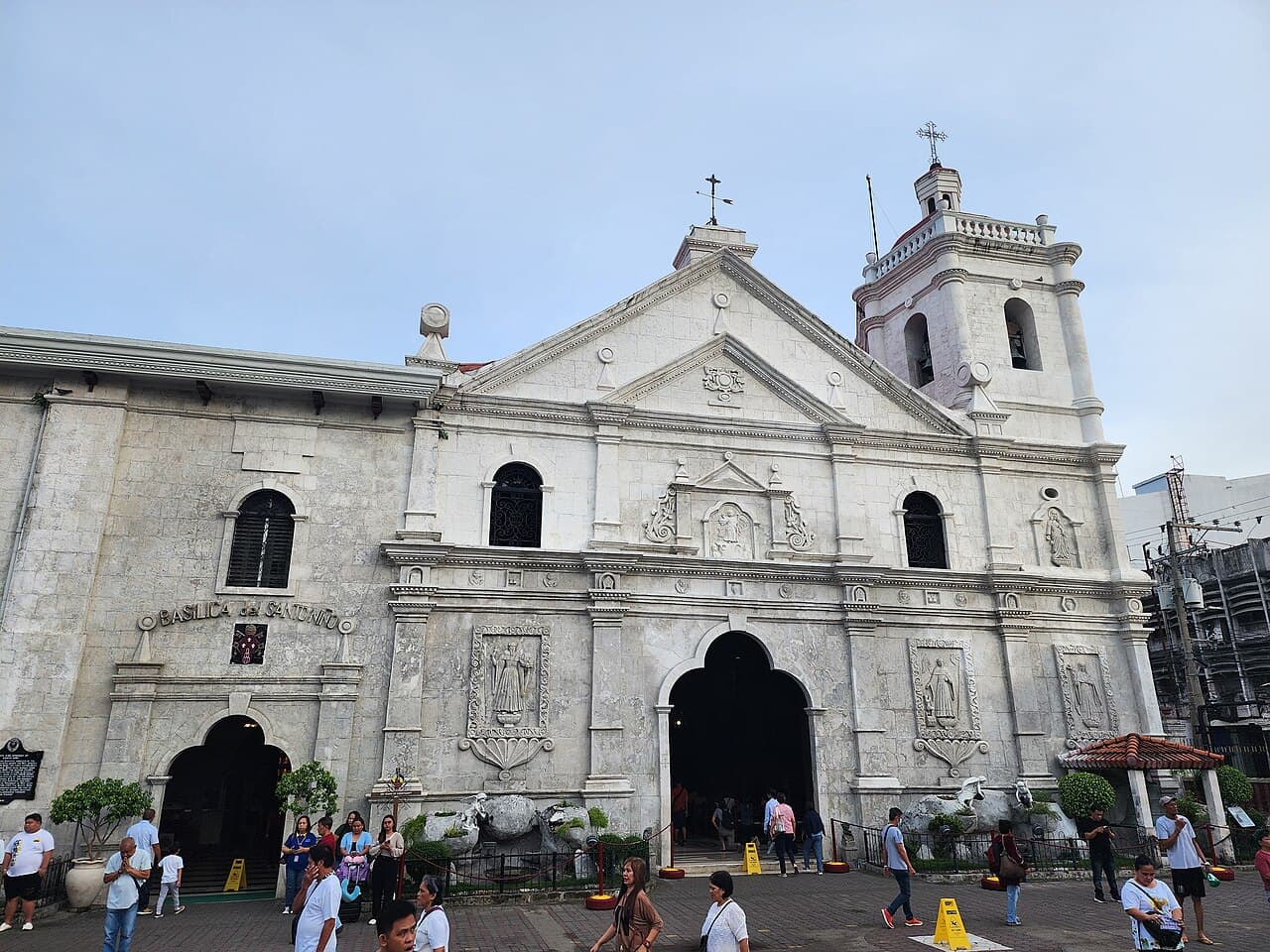
Basilica Minore del Santo Nino Cebu
Culture
The oldest Catholic church in the Philippines, dating to 1565, housing the miraculous Santo Nino (Holy Child Jesus) statue that Ferdinand Magellan gave to Queen Juana of Cebu in 1521. The annual Sinulog Festival in January draws four million pilgrims in the largest religious celebration in Southeast Asia.
📍Osmeña Boulevard, Cebu City 6000, Philippines
Cebu Ocean Park
Culture
The largest marine theme park in the Philippines with walk-through tunnels, a jellyfish gallery, dolphin shows, manta ray feeding, and touch pools. An excellent rainy-day activity in Cebu and a great introduction to the marine biodiversity of the Philippine Sea for travelers who can't dive.
📍Sta. Rosa Street, Cebu City 6000, Philippines
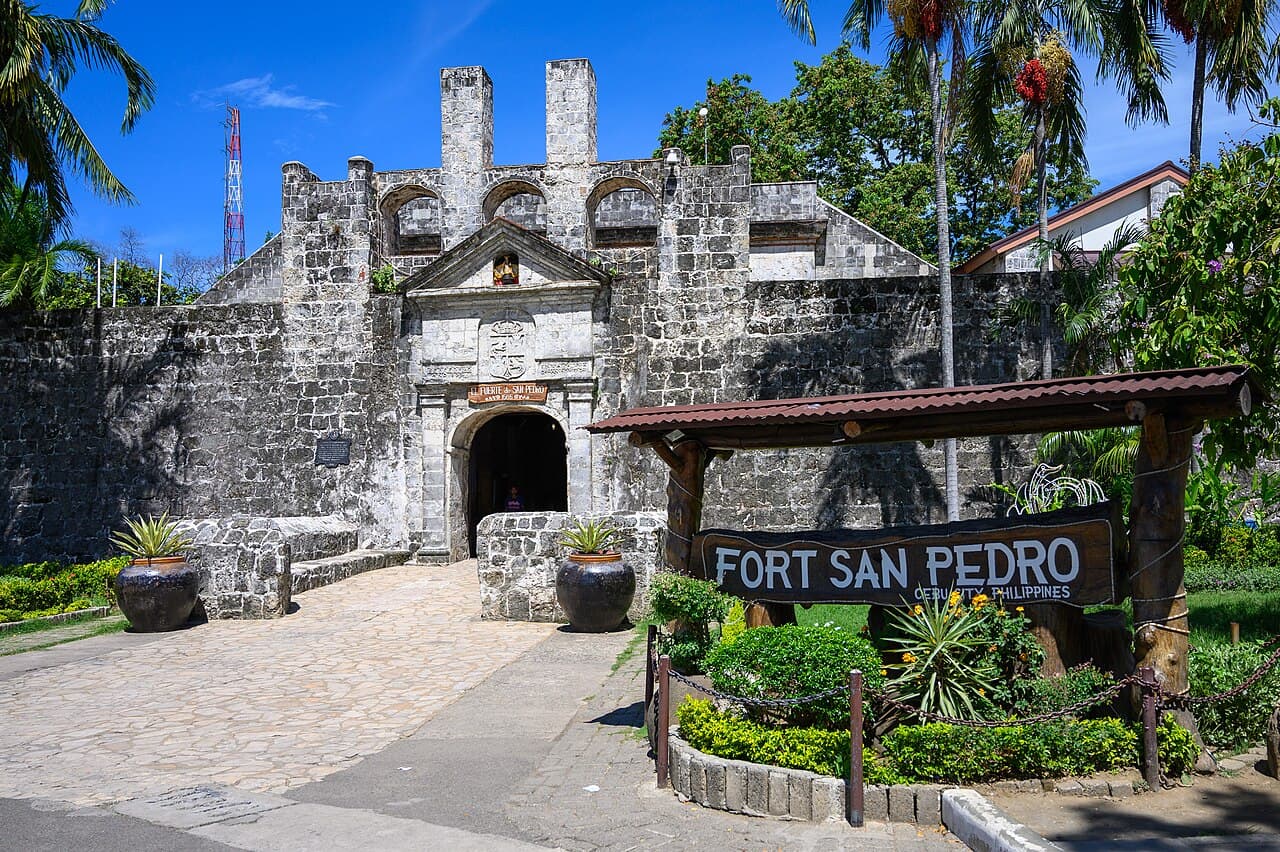
Fort San Pedro Cebu
Culture
The oldest and smallest fort in the Philippines, built by Miguel Lopez de Legazpi in 1565 as the first Spanish settlement in Asia. The triangular bastion at the Cebu waterfront has served as a military fort, rebel defense, revolutionary army headquarters, and zoo before becoming a museum and park.
📍Plaza Independencia, Cebu City 6000, Philippines
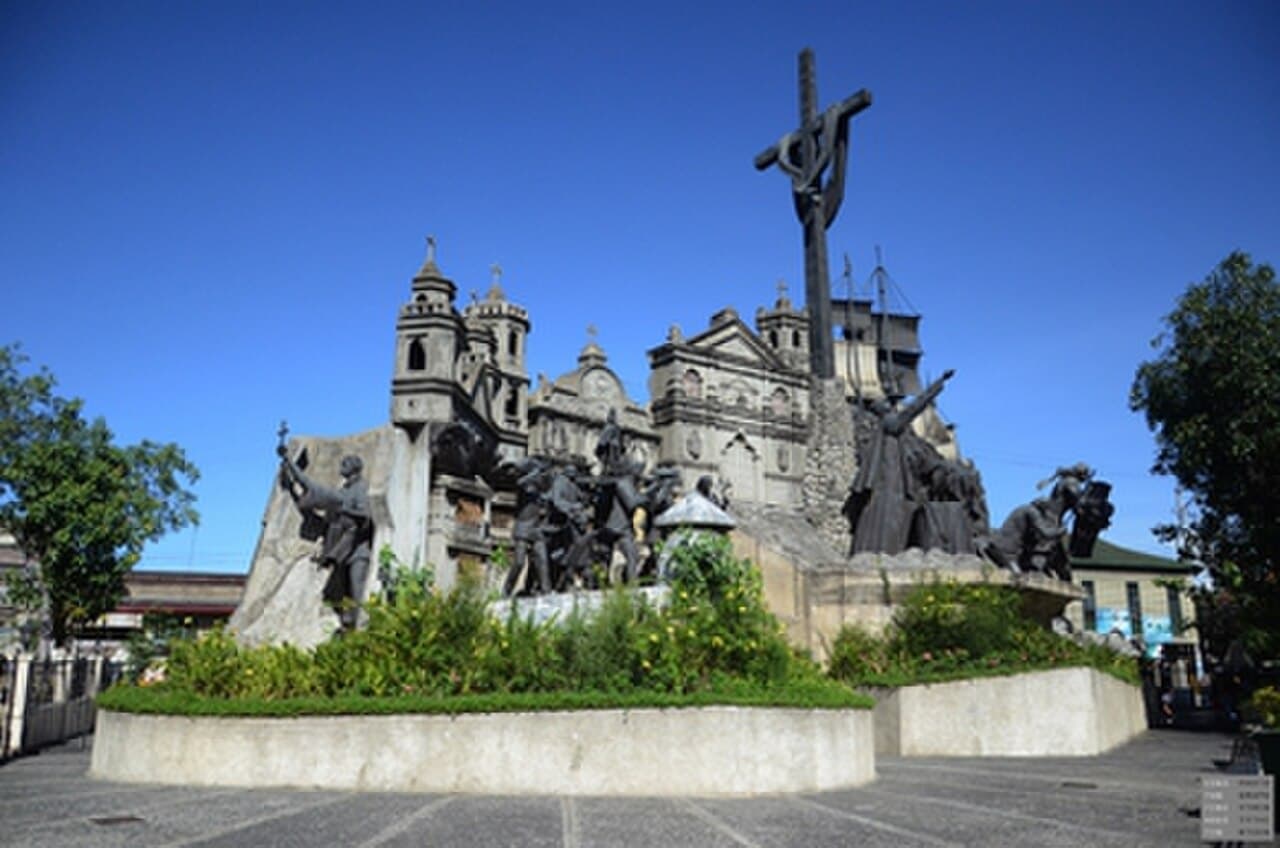
Heritage of Cebu Monument
Culture
A dramatic bronze tableau of life-size figures depicting 10 pivotal moments in Cebuano history from Magellan's arrival to the Philippine Revolution, installed in the Parian district. The monument is Cebu's finest outdoor public art and the surrounding Parian heritage district has several restored Spanish-era houses.
📍Parian District, Cebu City 6000, Philippines

Mactan Shrine Cebu
Culture
The historic site on Mactan Island where Lapu-Lapu, the first Filipino hero, defeated and killed Portuguese explorer Ferdinand Magellan on April 27, 1521. Two statues mark the spot - one of Lapu-Lapu raising his sword in victory and one of Magellan - representing the first battle where Filipinos repelled a foreign colonizer.
📍Lapu-Lapu City, Mactan Island, Cebu 6015, Philippines

Magellan's Cross Cebu
Culture
A wooden cross planted by Portuguese explorer Ferdinand Magellan in 1521 when he baptized Cebu's first Filipino Christians, preserved inside a domed chapel beside the Basilica. The tarpaulin ceiling painting depicts the baptism of Rajah Humabon and is one of the most significant Christian historical sites in Asia.
📍Magallanes Street, Cebu City 6000, Philippines