
🏛️ Culture in Kyoto
 Japan
Japan
About Kyoto for Solo Travelers
Japan's ancient imperial capital of 1,600 temples and shrines — solo travelers walk the torii gate mountain at dawn, cycle to hidden bamboo forests, and find Kyoto the most meditative and beautiful city in Asia.
Solo Travel Tips· Solo Friendly
Kyoto rewards slow solo exploration — the Fushimi Inari shrine gates are best walked alone at dawn (before the crowds, the path into the mountain becomes genuinely meditative), the Arashiyama bamboo grove at first light is extraordinary, and the Philosopher's Path in spring cherry blossom season is one of Japan's great solo walks. Rent a bicycle to reach the outer temples (Daigoiji, Kurama). The kaiseki lunch counter experience is one of Japan's finest solo dining moments.
Safety Score
Hover icon for sources
Cost Level
Language
Japanese
Currency
JPY
Solo Level
Great infrastructure, English-friendly, well-established solo traveler culture.
📋 Resources for your trip
Where to stay in Kyoto
Hotels & stays on Booking.com
Travel Insurance
SafetyWing & World Nomads
eSIM for this trip
Stay connected from $5
Solo-friendly tours
Group tours on GetYourGuide
Some of these are affiliate links — we may earn a commission if you book, at no extra cost to you.
Best Culture in Kyoto for Solo Travelers
Showing 14 spots in Culture
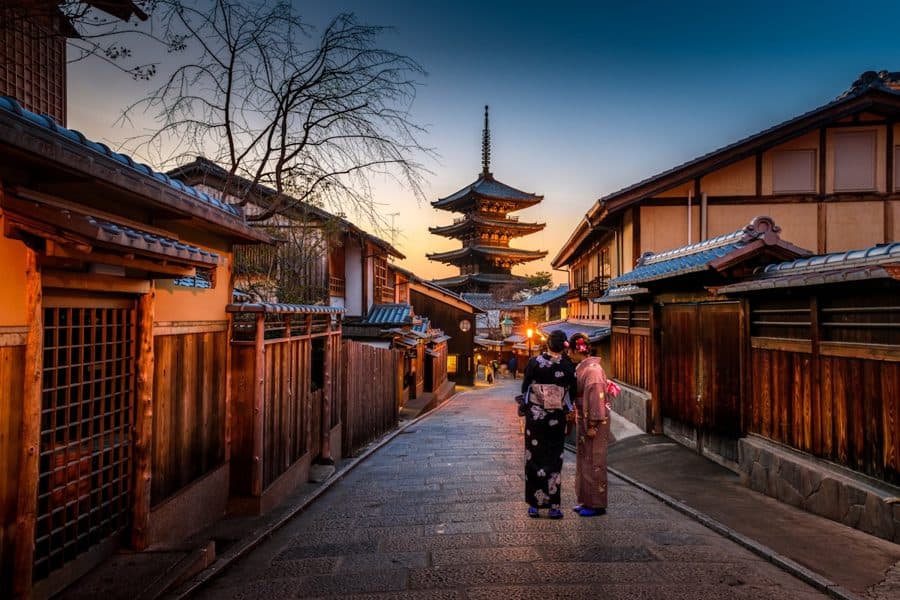
Fushimi Inari Shrine
Culture
The head shrine of Inari, with thousands of vermilion torii gates — each donated by a business or individual — forming tunnels up Mount Inari. The grounds are free and always open, so you can walk at dawn or after dark when most visitors have gone. A full loop to the 233m summit takes two to three hours; many people turn back at the Yotsutsuji viewpoint halfway up.
📍68 Fukakusa Yabunouchi-cho, Fushimi-ku, Kyoto 612-0882, Japan
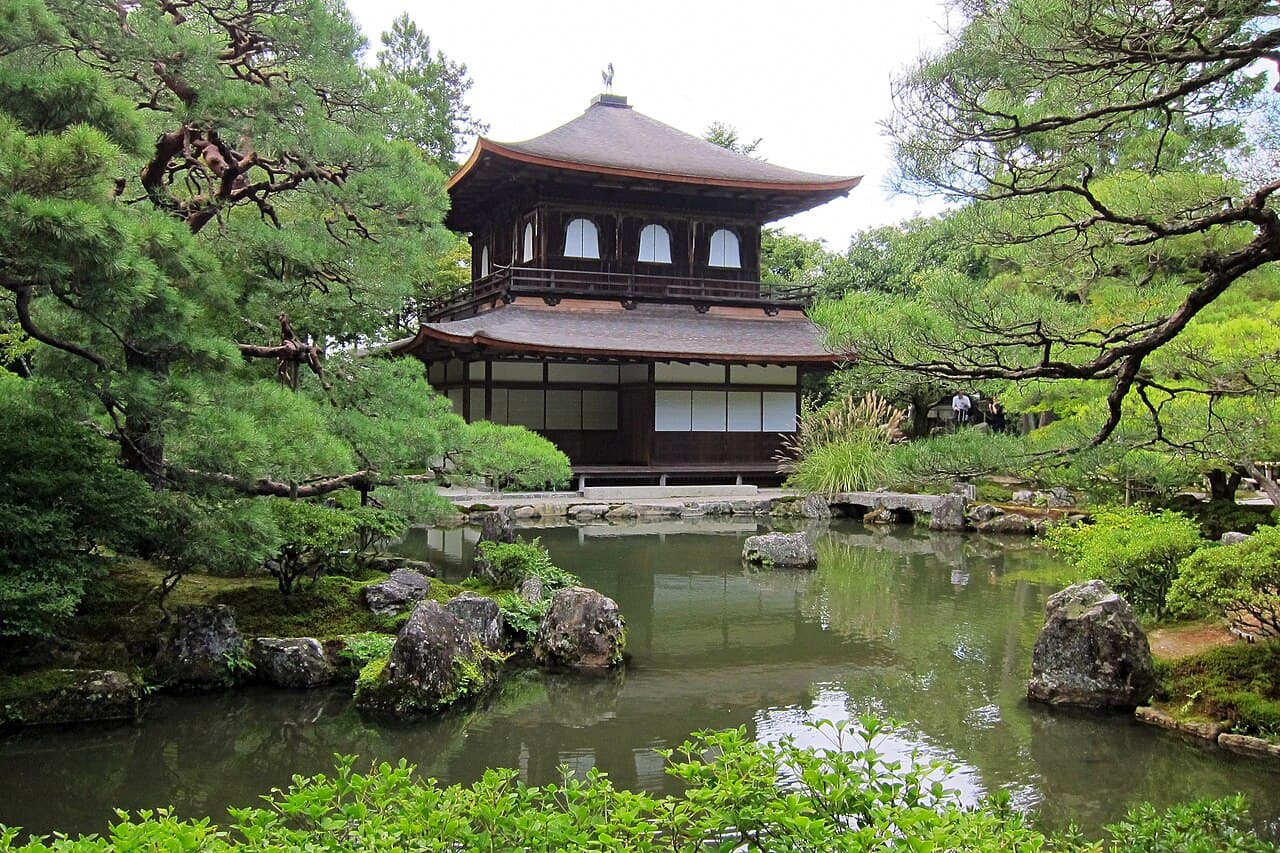
Ginkaku-ji (Silver Pavilion)
Culture
Officially Jisho-ji, the 'Silver Pavilion' was built in the late 15th century as the retirement villa of shogun Ashikaga Yoshimasa, and was never actually covered in silver. Its raked-sand garden with the flat-topped cone called Kogetsudai and a mossy hillside path give views back over Kyoto. Start or finish a walk along the Philosopher's Path here.
📍2 Ginkakuji-cho, Sakyo-ku, Kyoto 606-8402, Japan
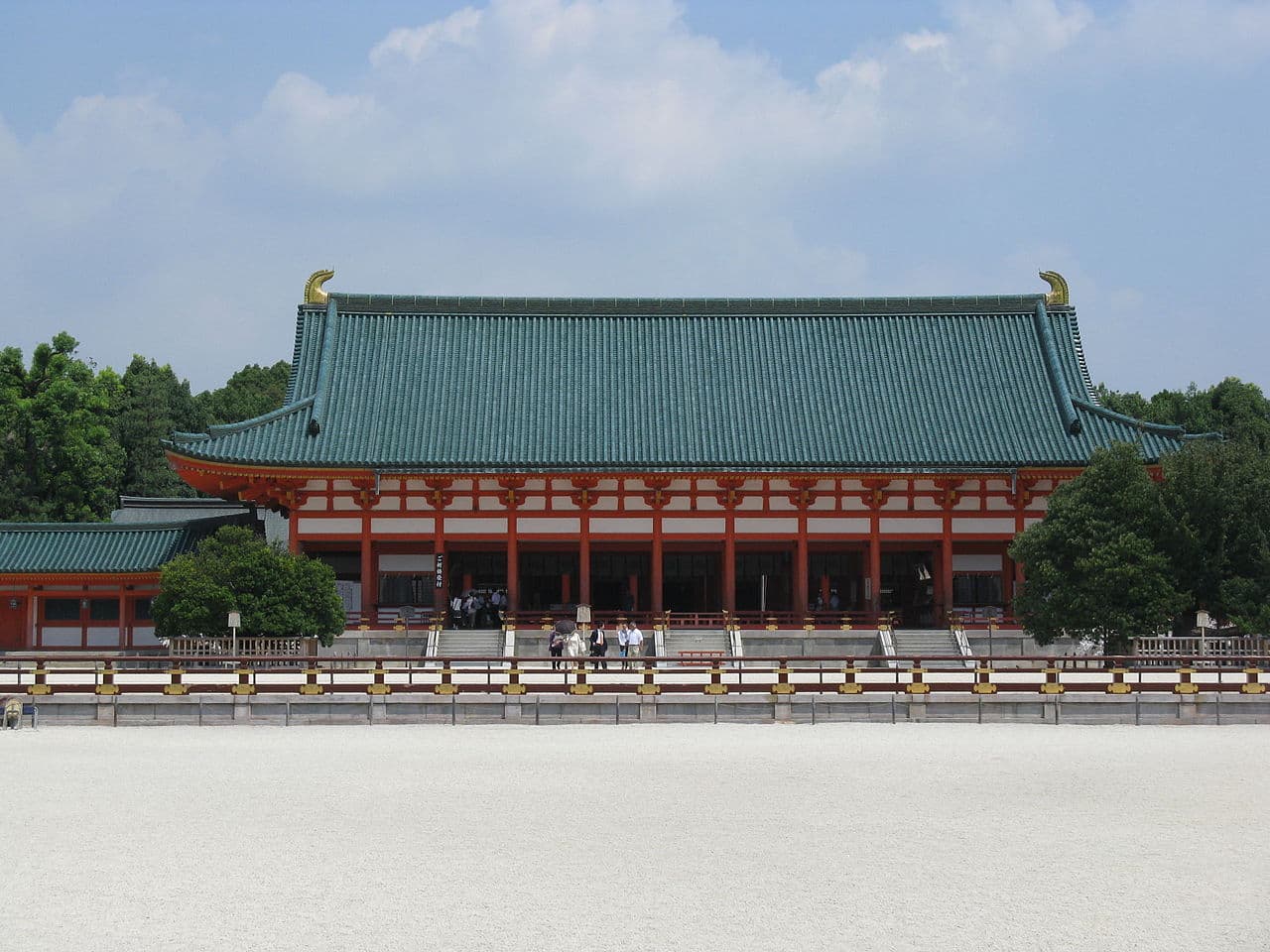
Heian Shrine
Culture
Built in 1895 for the 1,100th anniversary of Kyoto's founding, with bright vermilion halls modelled on the original imperial palace. The main grounds are free, and the giant torii on the approach is one of the largest in Japan. Behind the halls, the paid Shin'en garden winds past ponds, stepping stones and a covered bridge, and is famous for its weeping cherries in April.
📍97 Okazaki Nishitenno-cho, Sakyo-ku, Kyoto 606-8341, Japan
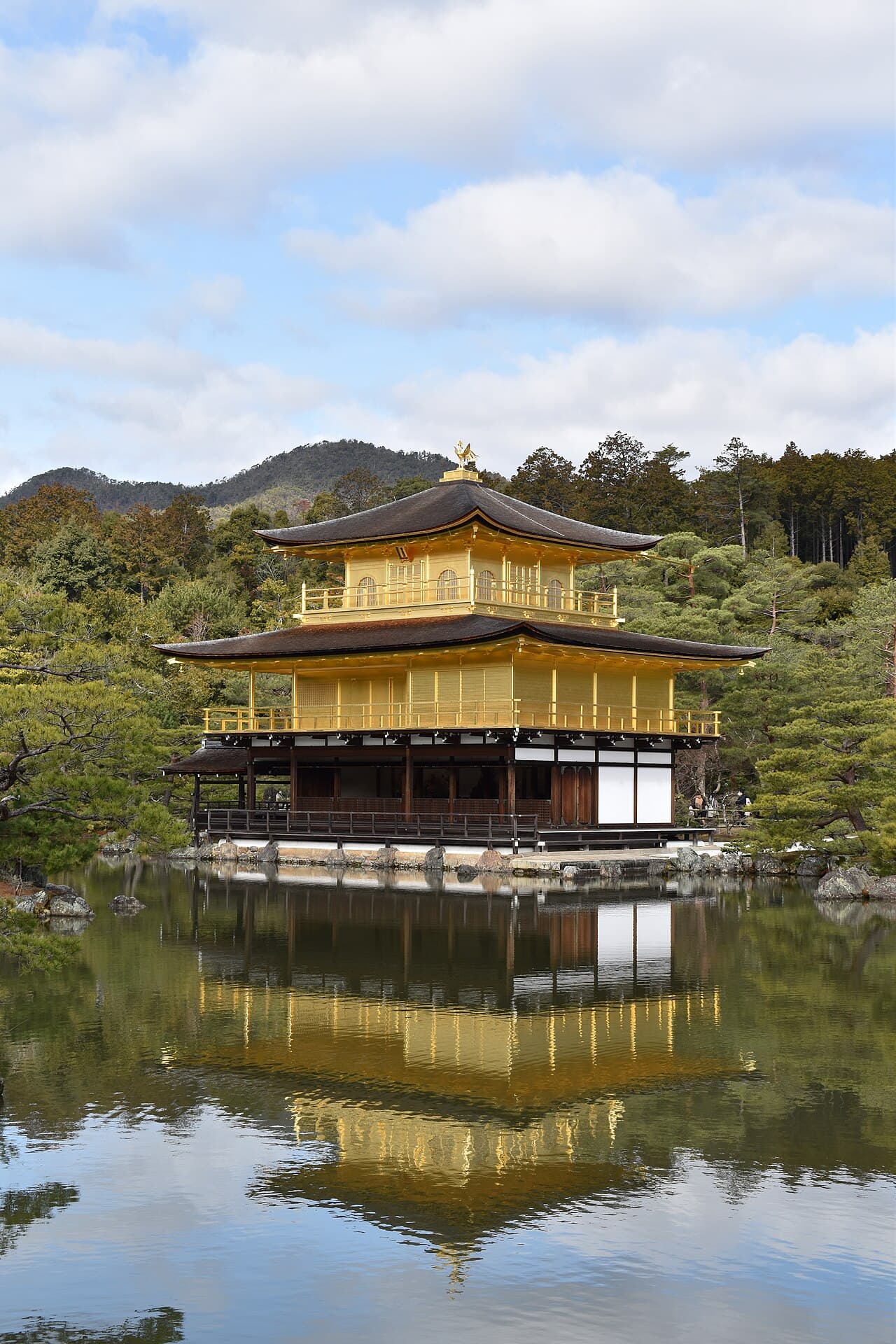
Kinkaku-ji (Golden Pavilion)
Culture
Officially Rokuon-ji, this gold-leaf-covered pavilion reflected in its pond is Kyoto's most famous sight. The original was burned down by a young monk in 1950; the pavilion you see is a faithful reconstruction completed in 1955. The path around the garden is one-way and busy, so arrive at opening time for the calmest view across the water.
📍1 Kinkakuji-cho, Kita-ku, Kyoto 603-8361, Japan
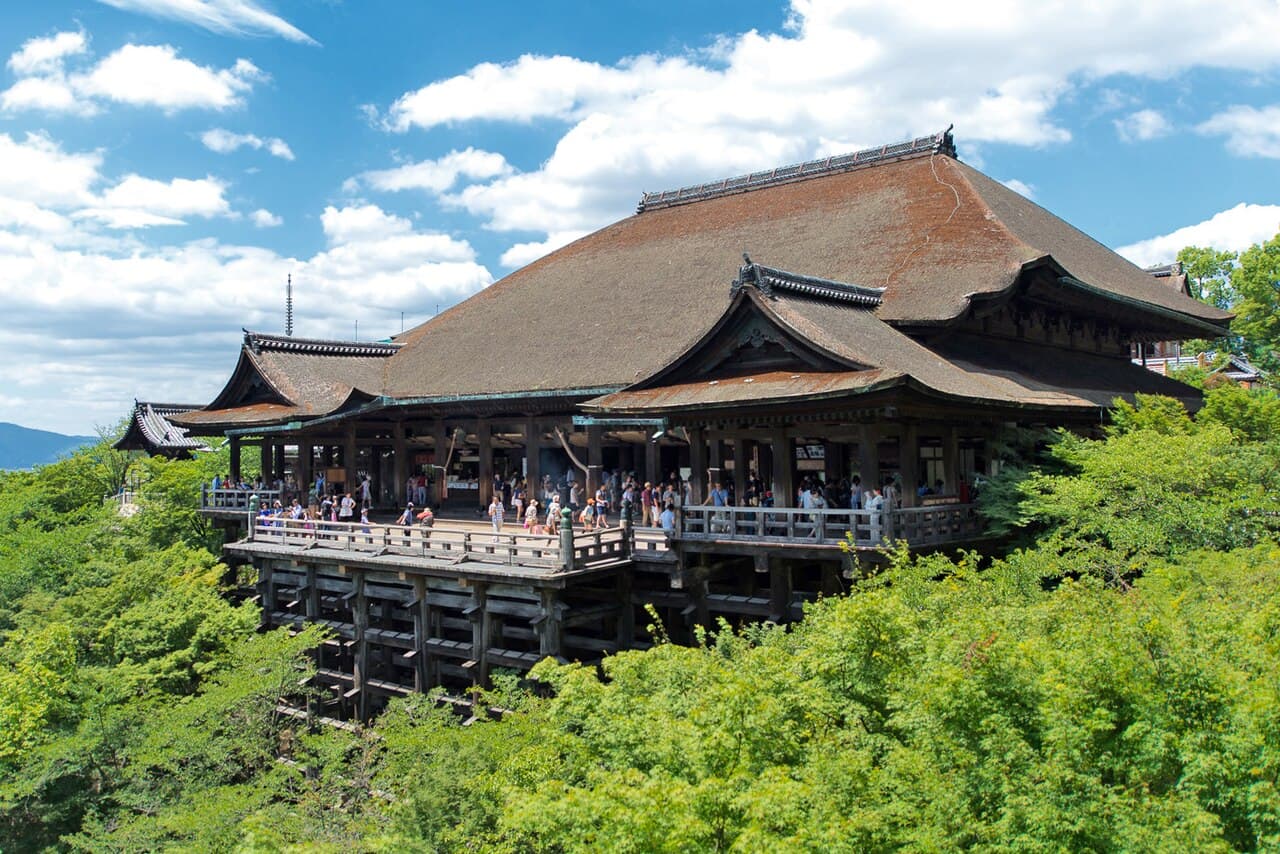
Kiyomizu-dera
Culture
A UNESCO-listed temple founded in 778, known for the wooden stage of its main hall, which juts out 13m above the hillside on a lattice of huge pillars built without nails. The views over Kyoto are wide, and below the stage the Otowa waterfall splits into three streams that visitors drink from. It opens at 6am — go early, then walk down through Sannenzaka.
📍1-294 Kiyomizu, Higashiyama-ku, Kyoto 605-0862, Japan
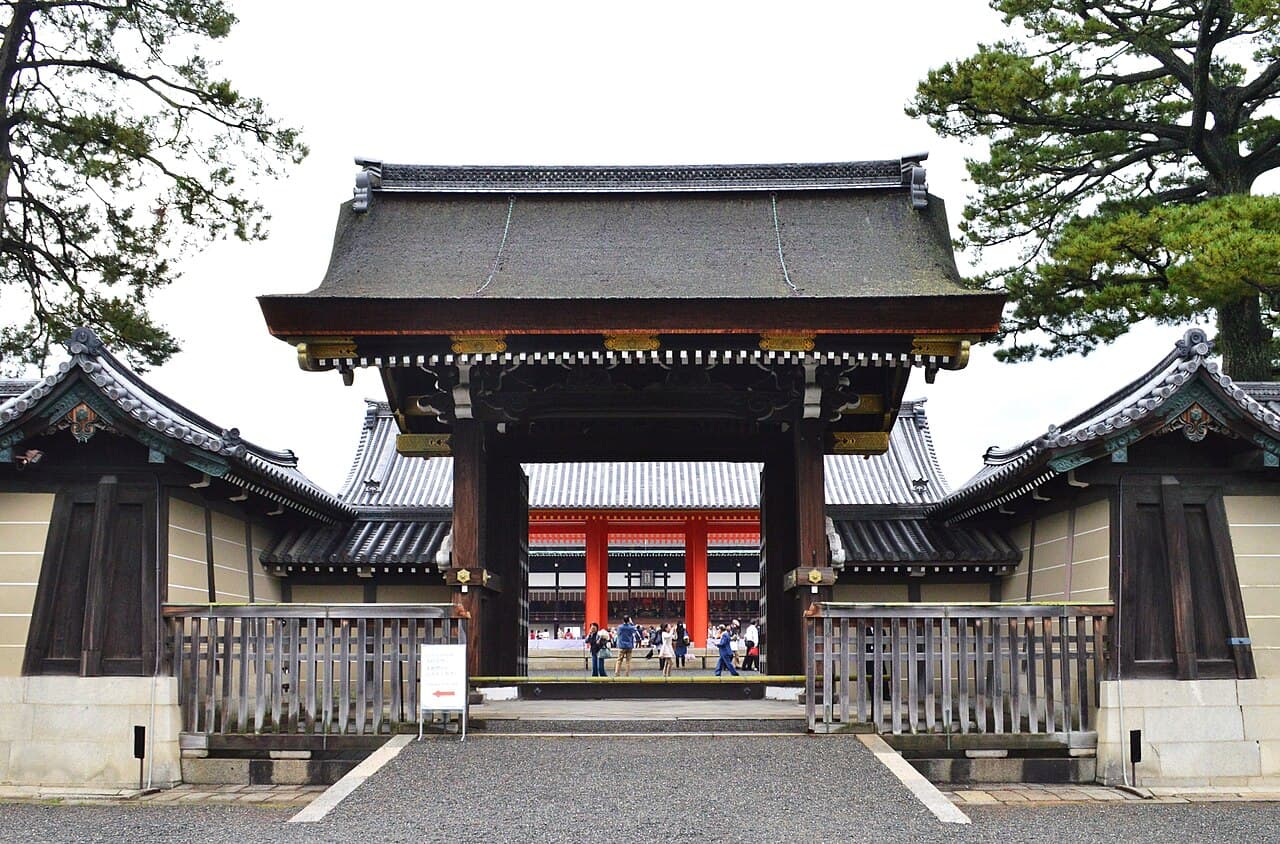
Kyoto Imperial Palace
Culture
The residence of Japan's emperors until the move to Tokyo in 1869, set inside the large Kyoto Gyoen park. Entry is free with no reservation needed — just pass the bag check — and free English-language guided tours run at 10am and 2pm. The palace is closed on Mondays, but the gravel-and-pine park around it is open every day for a quiet walk.
📍3 Kyoto-gyoen, Kamigyo-ku, Kyoto 602-0881, Japan
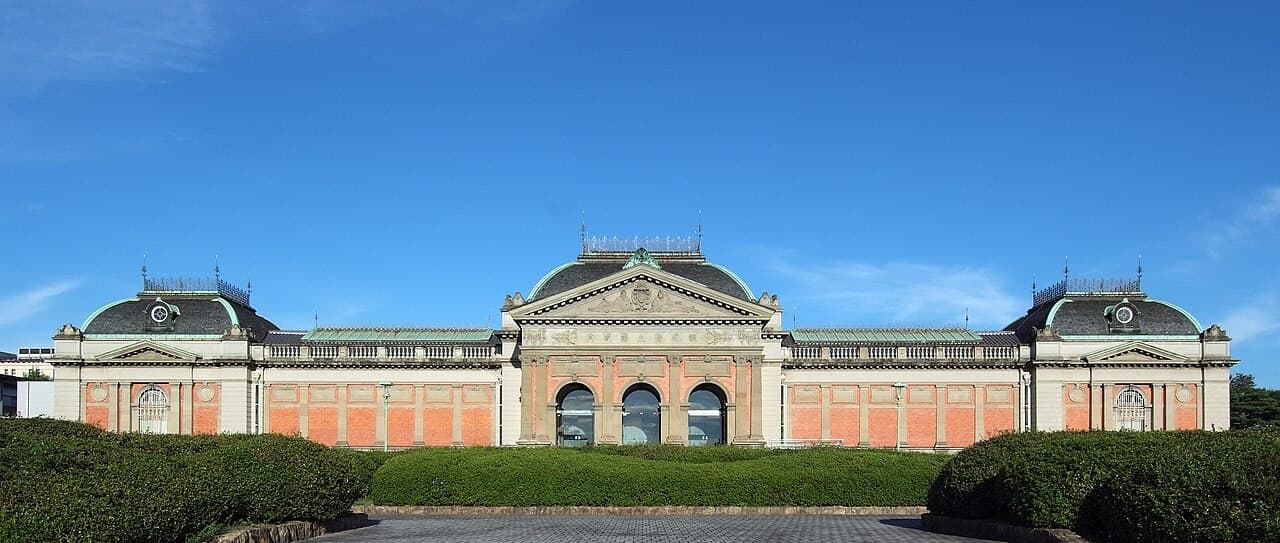
Kyoto National Museum
Culture
One of Japan's leading museums of pre-modern Japanese art, across the road from Sanjusangen-do. Its red-brick Meiji-era main hall is closed for seismic upgrades, so all exhibitions are now held in the modern Heisei Chishinkan wing, designed by Yoshio Taniguchi and opened in 2014. Galleries close between exhibitions, so check the website before you go.
📍527 Chaya-cho, Higashiyama-ku, Kyoto 605-0931, Japan
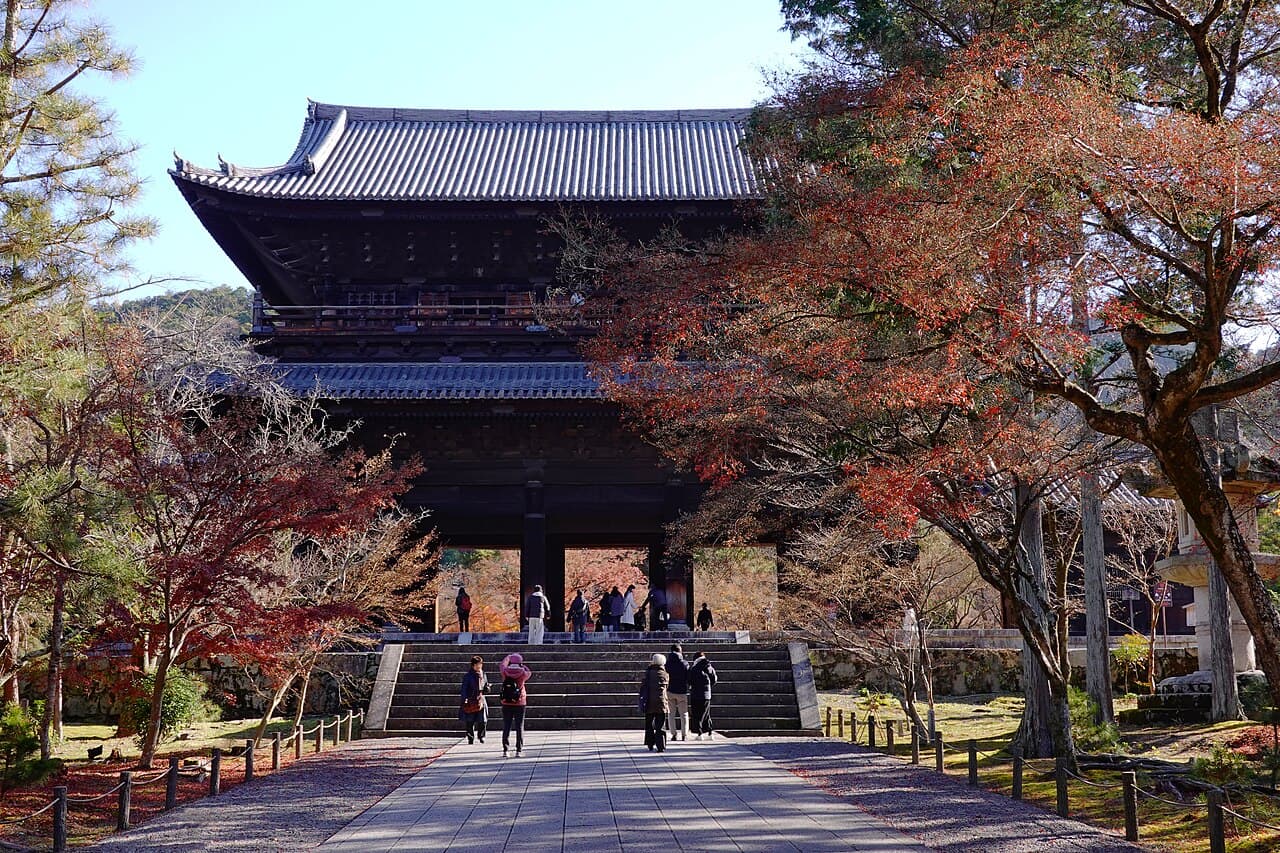
Nanzen-ji
Culture
One of Kyoto's most important Zen temples, entered through the 22m Sanmon gate of 1628 — pay a small fee to climb it for views over the city. On the south side, the red-brick Suirokaku aqueduct, built in 1890 to carry Lake Biwa canal water into Kyoto, is a favourite photo spot, and the sub-temple Tenju-an has a lovely pond garden. The outer grounds are free.
📍86 Nanzenji Fukuchi-cho, Sakyo-ku, Kyoto 606-8435, Japan
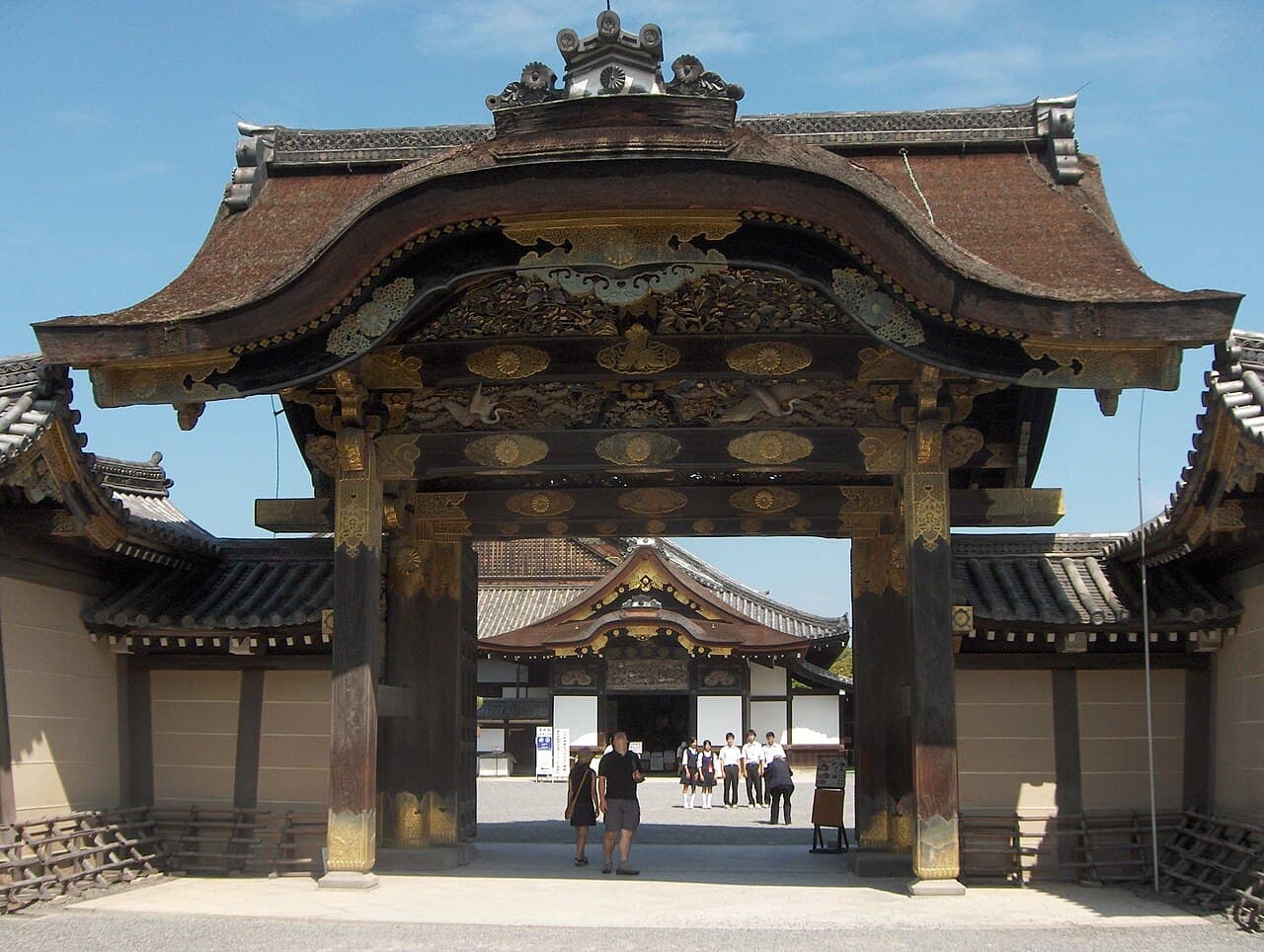
Nijo Castle
Culture
Built in 1603 for Tokugawa Ieyasu, the first Tokugawa shogun, and now a UNESCO World Heritage Site. Inside Ninomaru Palace the 'nightingale floors' squeak as you walk — said to be a warning against intruders — and painted sliding doors of tigers and pines fill the rooms. Outside, walk the moats, the massive stone walls and the Ninomaru garden.
📍541 Nijojo-cho, Nakagyo-ku, Kyoto 604-8301, Japan
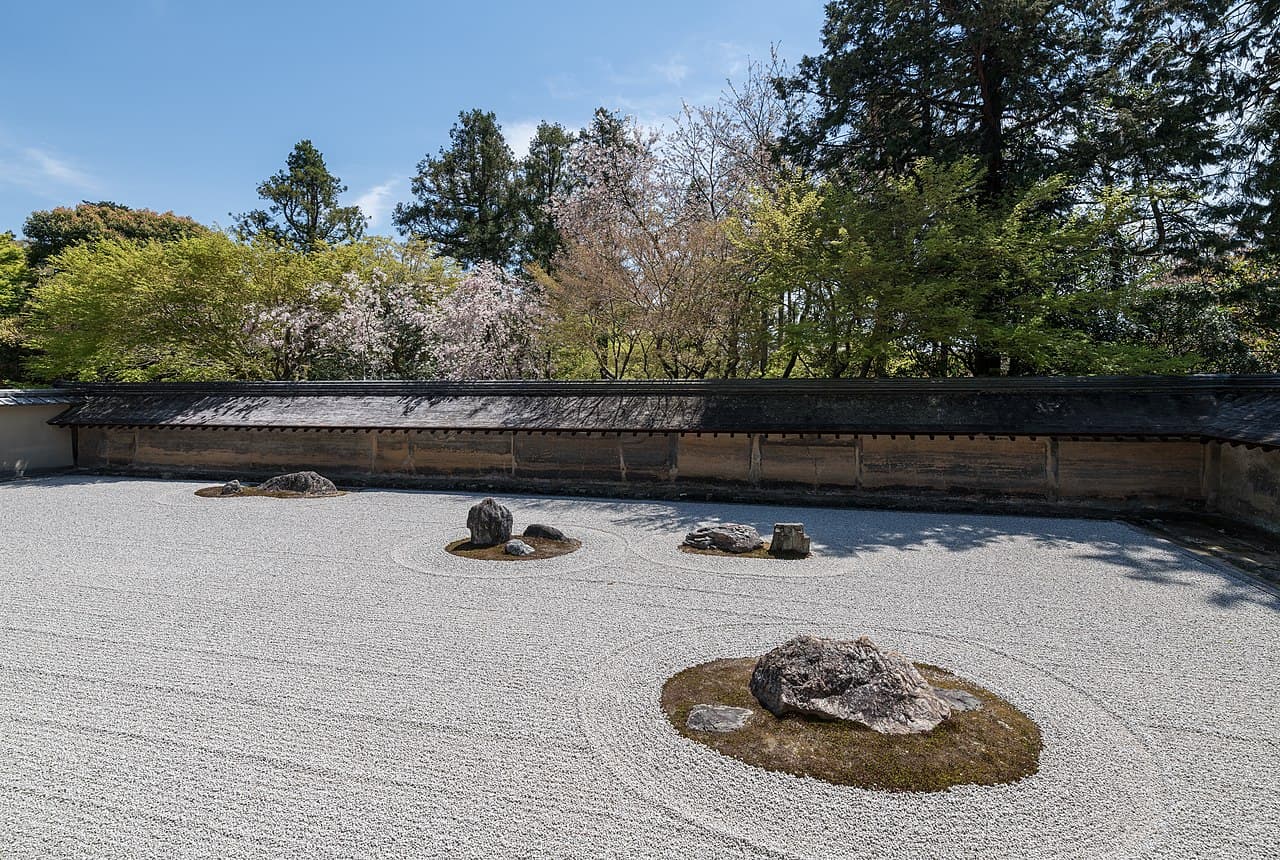
Ryoan-ji
Culture
A Zen temple famous for its rock garden: fifteen stones set in raked white gravel, arranged so that you can never see all fifteen at once from the viewing veranda. Sit on the steps and give it time — it's surprisingly meditative alone if you avoid the peak hours. The large Kyoyochi pond garden around the temple is especially lovely in autumn.
📍13 Ryoanji Goryonoshita-cho, Ukyo-ku, Kyoto 616-8001, Japan
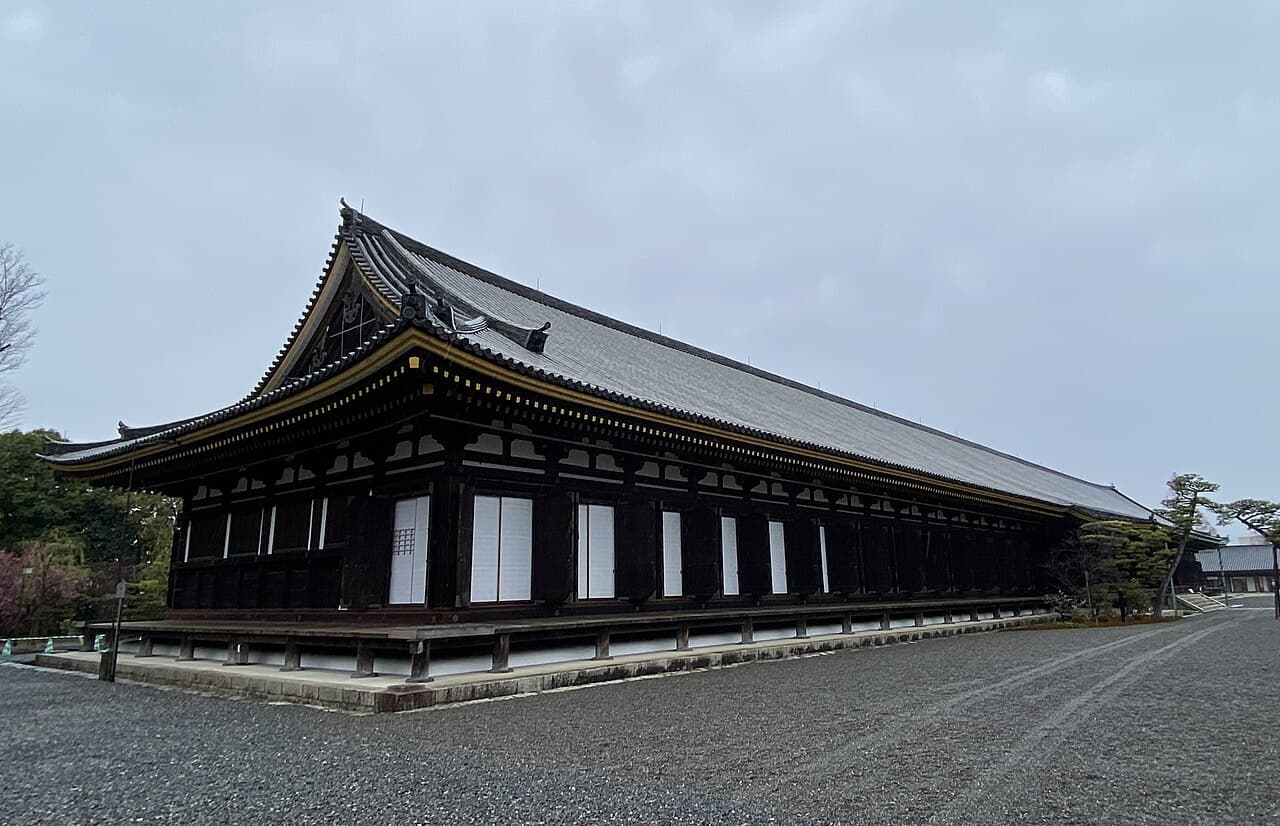
Sanjusangen-do
Culture
Officially Rengeo-in, this hall is about 120m long — Japan's longest wooden building — and holds 1,001 statues of Kannon: 1,000 life-size standing figures in ten rows flanking a large seated Kannon carved by Tankei in 1254, a National Treasure. Photography isn't allowed inside, which makes the long, quiet walk past the statues all the more striking.
📍657 Sanjusangendo-mawari-cho, Higashiyama-ku, Kyoto 605-0941, Japan
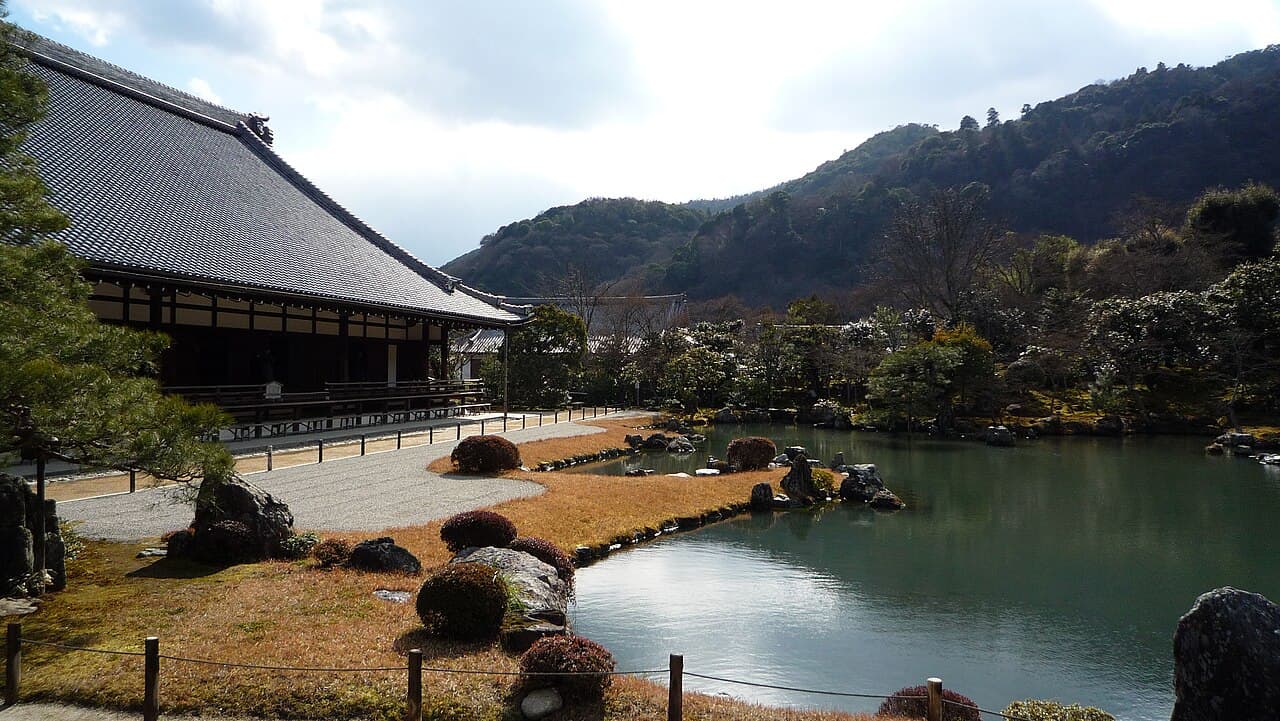
Tenryu-ji
Culture
Head temple of the Tenryu-ji branch of Rinzai Zen, founded in 1339 and a UNESCO World Heritage Site. Its Sogenchi pond garden, designed by the Zen master Muso Soseki, 'borrows' the Arashiyama hills as its backdrop and keeps its 14th-century layout. A north gate leads straight out to the bamboo grove, so visit both together early in the day.
📍68 Saga Tenryuji Susukinobaba-cho, Ukyo-ku, Kyoto 616-8385, Japan
To-ji Temple
Culture
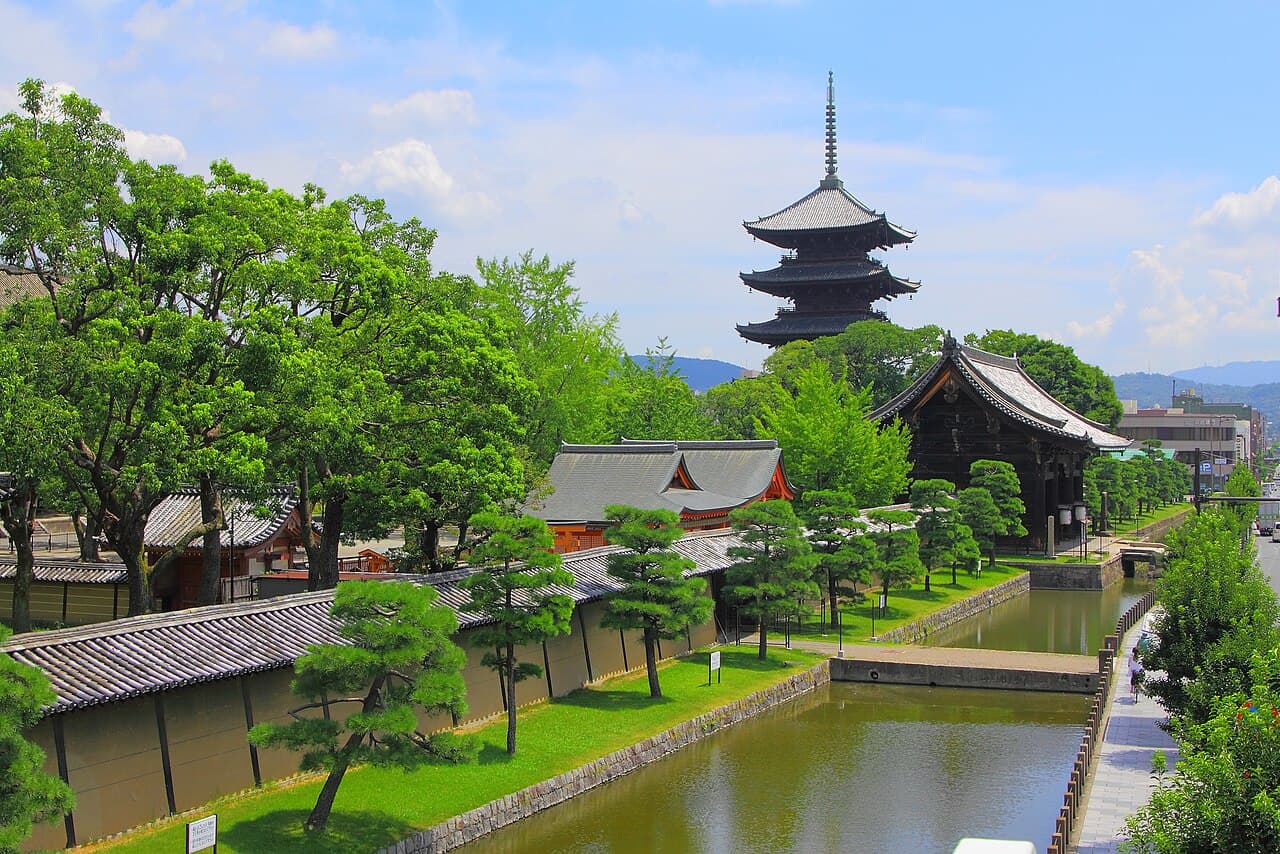
Founded in 796, soon after Kyoto became the capital, and later entrusted to the monk Kukai (Kobo Daishi); it's a UNESCO World Heritage Site near Kyoto Station. Its five-storey pagoda, rebuilt in 1644, is Japan's tallest wooden pagoda at about 55m. On the 21st of every month the grounds host the Kobo-san flea market, full of antiques, crafts and food stalls.
📍1 Kujo-cho, Minami-ku, Kyoto 601-8473, Japan
Yasaka Shrine
Culture
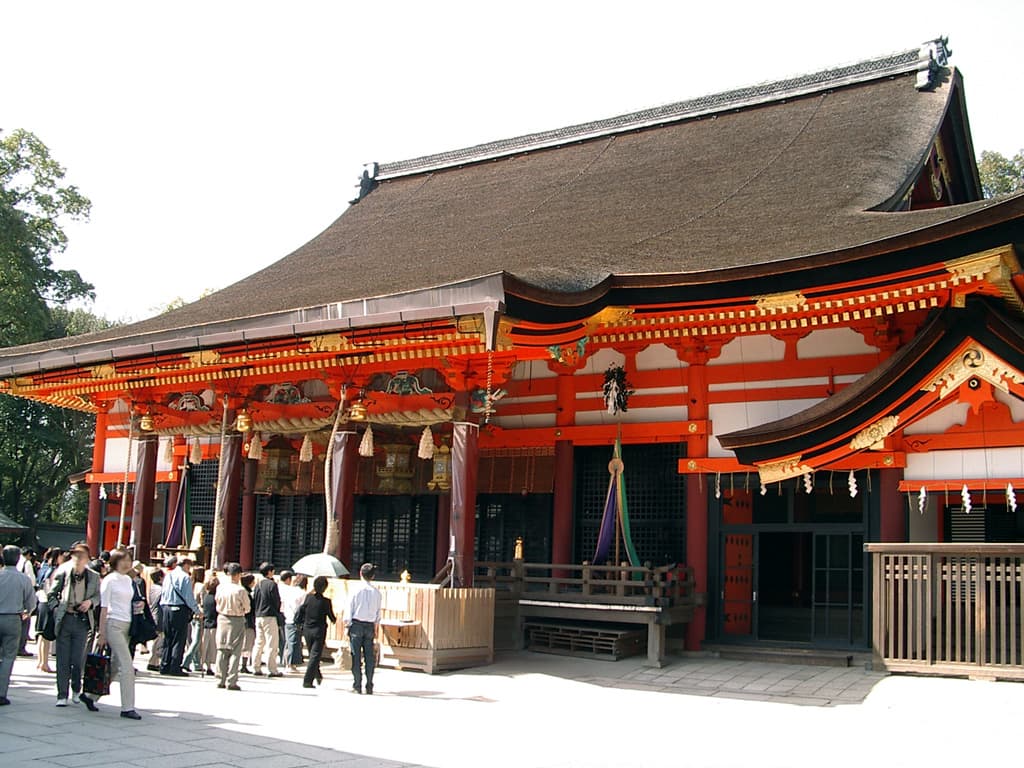
Gion's own shrine, at the eastern end of Shijo-dori between Gion and Maruyama Park, and home of the Gion Matsuri festival every July. The main hall and dance stage are hung with lanterns that glow every evening, and the grounds stay open around the clock, so it makes an easy, atmospheric stop after dinner in Gion.
📍625 Gionmachi Kitagawa, Higashiyama-ku, Kyoto 605-0073, Japan