
🏛️ Culture in Marrakech
 Morocco
About Marrakech for Solo Travelers
The Red City overwhelms every sense at once — spice souks, snake charmers, and 1,000-year-old alleyways that solo travelers navigate between moments of complete sensory saturation and rooftop calm.
Solo Travel Tips· Confident Solo
Marrakech is intense but incredibly rewarding solo — the medina requires a good map or offline navigation (Google Maps works well) as getting lost is easy and fun but persistent touts can be draining. Solo women should dress modestly and project confidence in the souks. The rooftop cafés are perfect solo perches. Stay inside the medina walls for the full experience.
Safety Score
Hover icon for sources
Cost Level
Language
Arabic/French
Currency
MAD
Solo Level
Some language barrier or logistics complexity — rewarding with a bit of preparation.
📋 Resources for your trip
Where to stay in Marrakech
Hotels & stays on Booking.com
Travel Insurance
SafetyWing & World Nomads
eSIM for this trip
Stay connected from $5
Solo-friendly tours
Group tours on GetYourGuide
Some of these are affiliate links — we may earn a commission if you book, at no extra cost to you.
Best Culture in Marrakech for Solo Travelers
Showing 15 spots in Culture
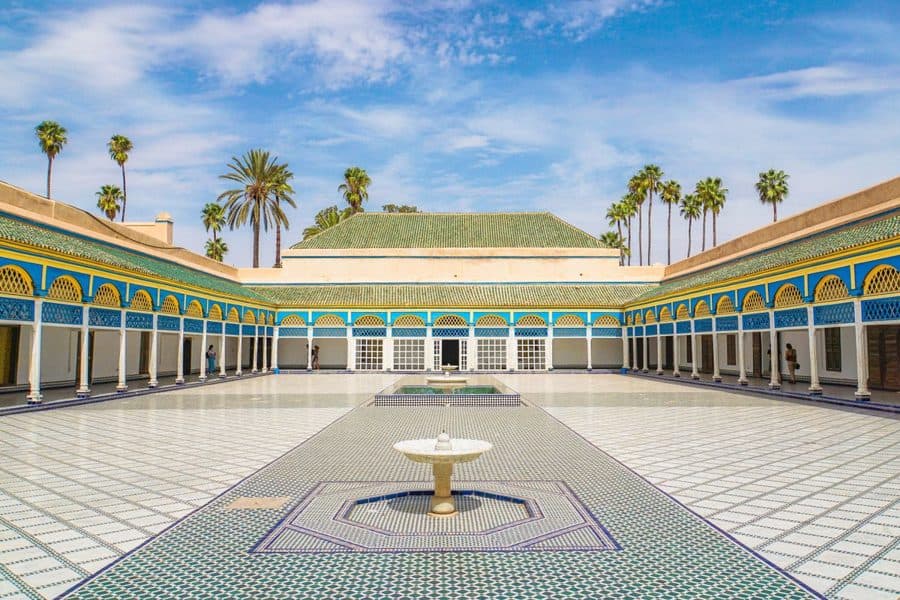
Bahia Palace
Culture
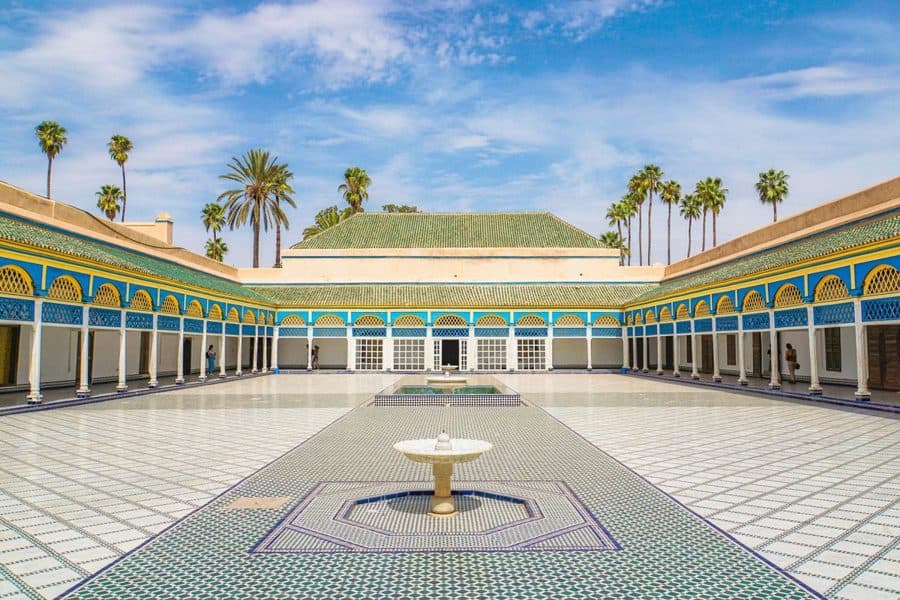
A breathtaking 19th-century palace complex with over 150 ornately decorated rooms set around lush courtyards filled with citrus and jasmine. Built by a Grand Vizier's son to be the most beautiful palace of its time. The tilework, painted ceilings, and carved plaster are extraordinary — allow at least two hours to wander.
📍Rue Riad Zitoun el Jdid, Medina, Marrakech 40000
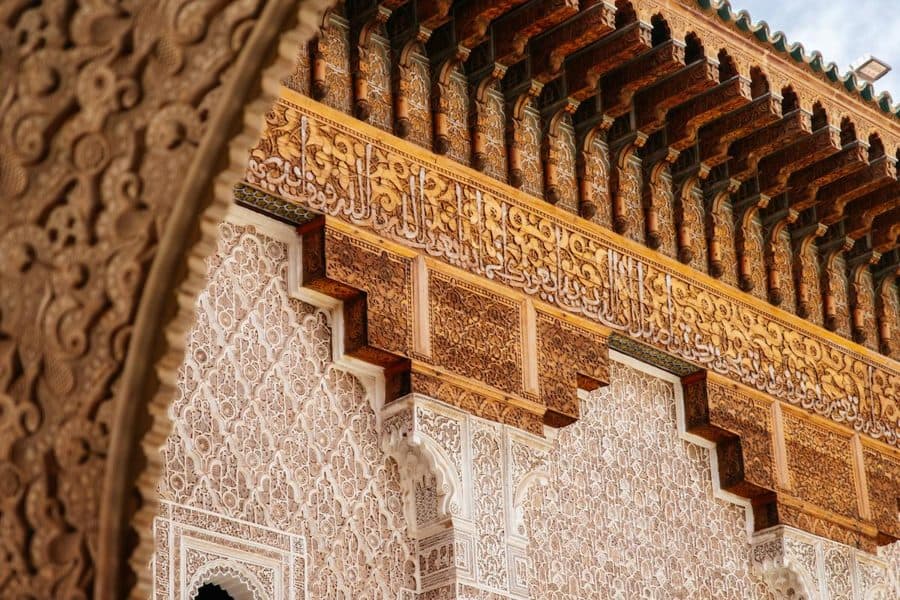
Ben Youssef Madrasa
Culture
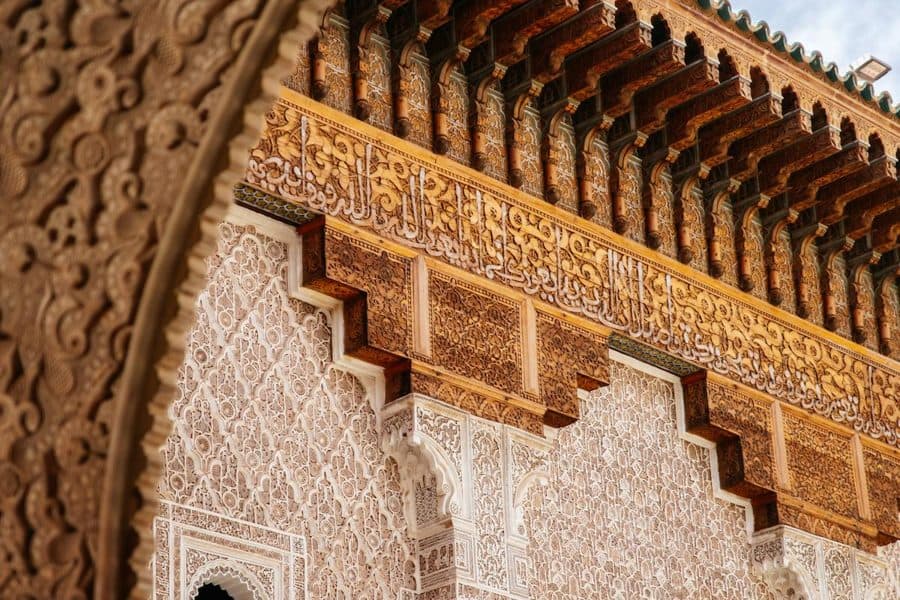
North Africa's largest Quranic school, built in the 14th century and restored under the Saadians. The interior is simply jaw-dropping: every surface — walls, arches, columns — is covered in zellij tilework, carved plasterwork, and inscribed cedar. The central courtyard reflected in the marble pool is one of the most photographed scenes in Morocco.
📍Ben Youssef Medersa, Medina, Marrakech 40000
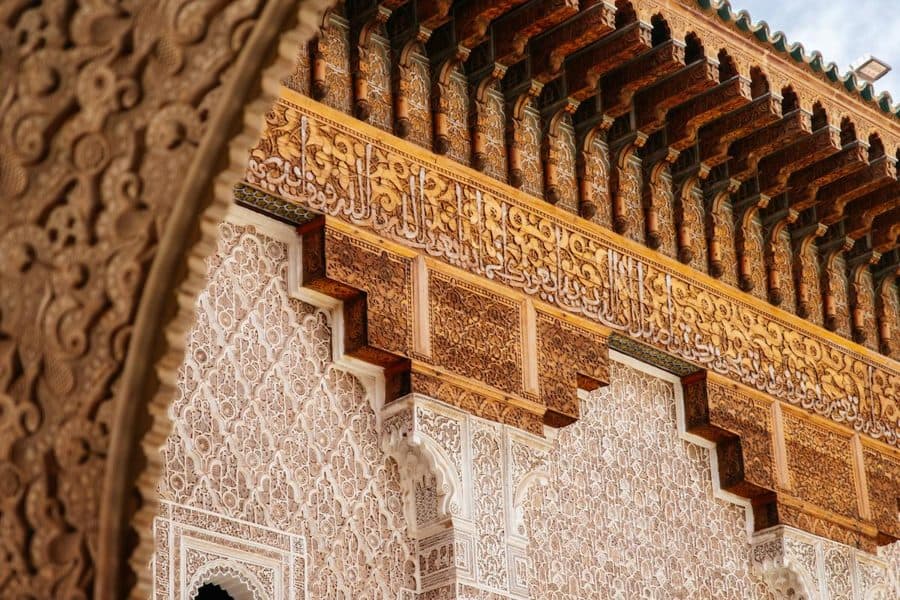
Dar Si Said Museum
Culture
A beautifully displayed collection of Moroccan craftsmanship and decorative arts housed in a lavish 19th-century riad. Four floors of carved wood, silk-embroidered textiles, weaponry, jewellery, and pottery trace centuries of Moroccan artisan tradition. Far fewer visitors than the main attractions — one of the medina's most underrated gems.
📍Riad Zitoun Jdid, Medina, Marrakech 40000
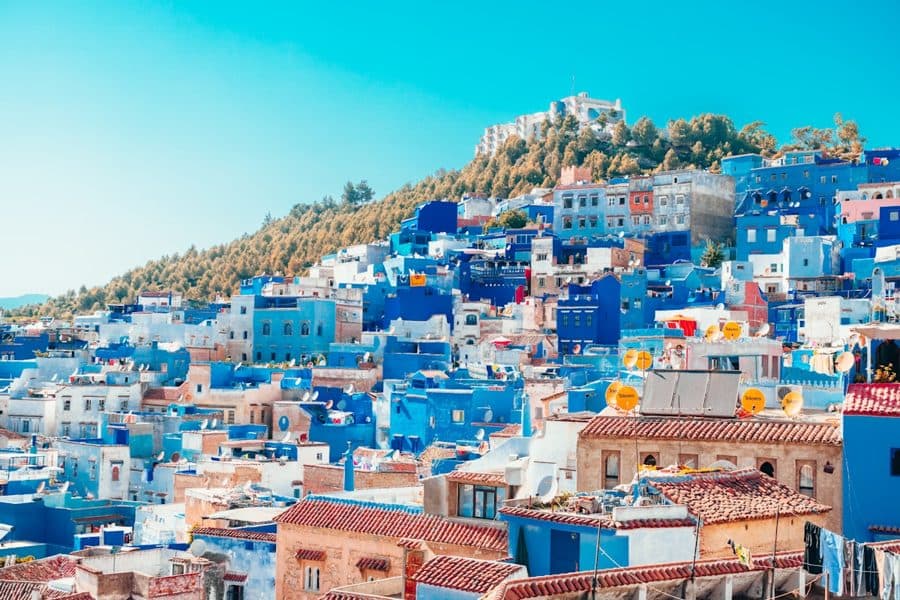
Djemaa el-Fna
Culture
The world's greatest public square — by day a market, by night a massive open-air food court and entertainment zone. A solo traveler's dream for people-watching.
📍Place Djemaa el-Fna, Medina, Marrakech
El Badi Palace
Culture
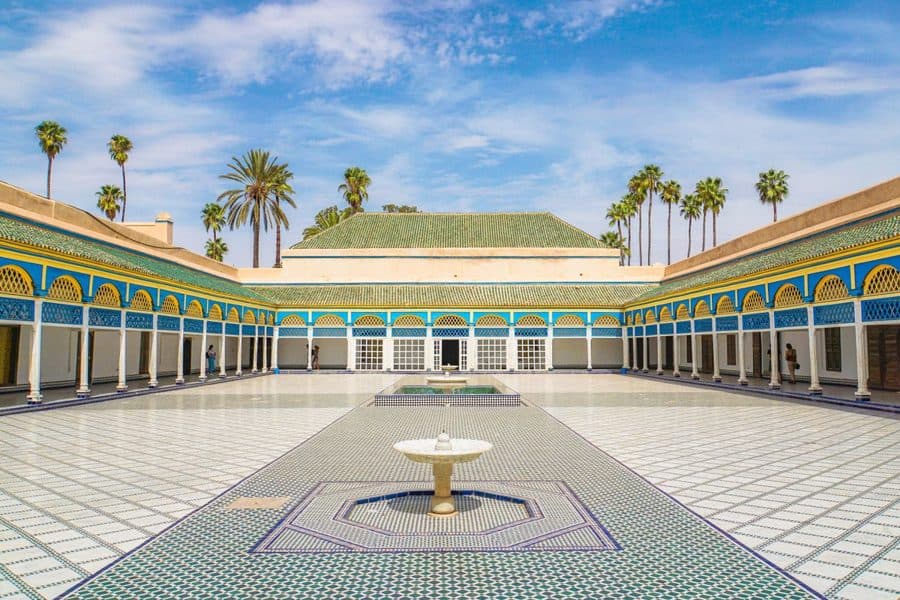
The magnificent ruins of a 16th-century Saadian palace, once described as one of the wonders of the world, now a vast open-air ruin of sunken gardens, stork-nest towers, and underground dungeons. Climb the ramparts for panoramic views over the medina and Atlas Mountains. A hauntingly beautiful and photogenic destination.
📍Place des Ferblantiers, Kasbah, Marrakech 40000
Jardin Majorelle & Musée Yves Saint Laurent
Culture
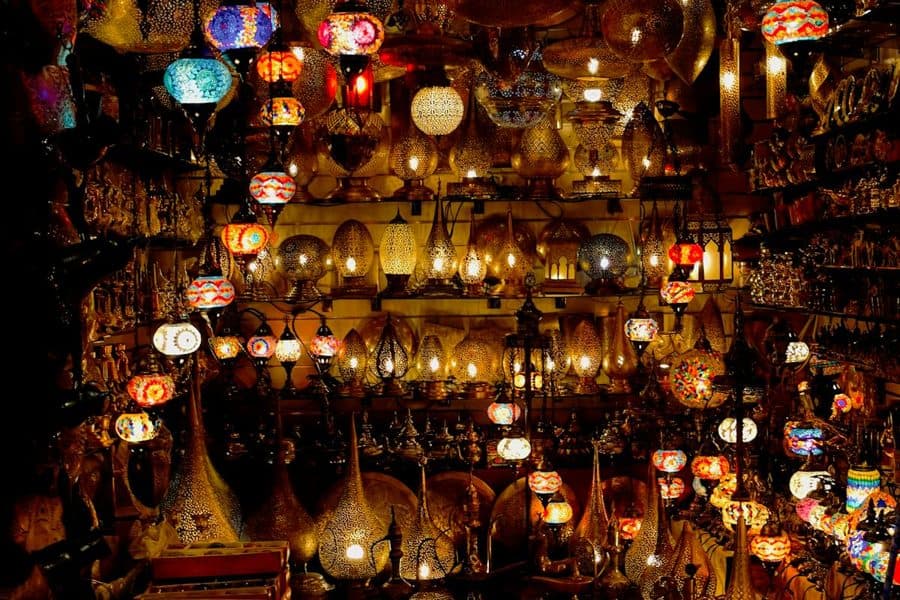
A cobalt-blue Art Deco garden created by French painter Jacques Majorelle in the 1920s and later owned by Yves Saint Laurent. Home to rare cacti, bamboo groves, vivid Majorelle Blue buildings, and the Berber Arts Museum. Next door, the Musée Yves Saint Laurent celebrates the designer's extraordinary career. Book tickets online — queues are long.
📍Rue Yves Saint Laurent, Guéliz, Marrakech 40000
Koutoubia Mosque & Gardens
Culture
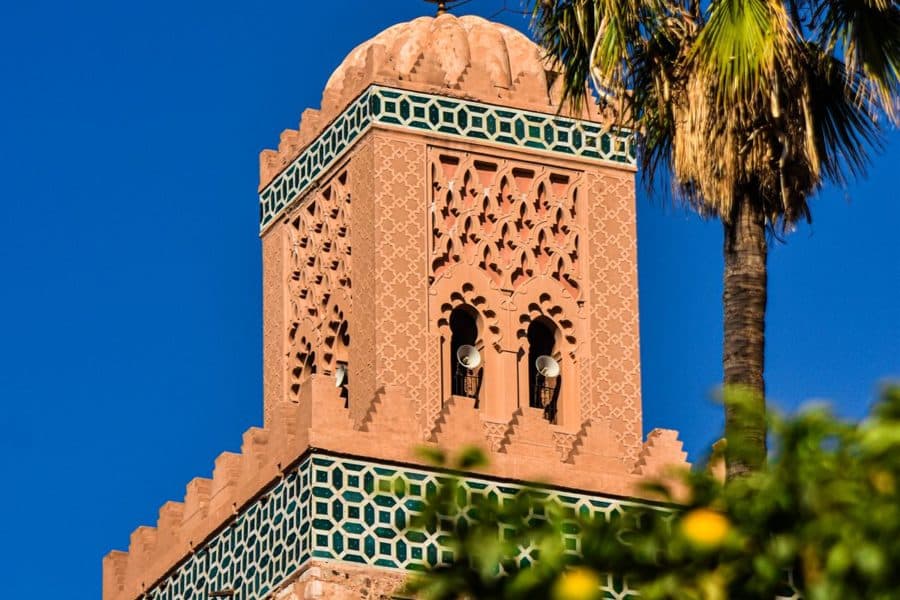
Marrakech's defining landmark — a 70-metre 12th-century minaret visible from across the entire city. Non-Muslims cannot enter the mosque, but the surrounding gardens of orange trees, roses, and fountains are open to all and make a beautiful, shaded park to sit and watch the city at dusk. The minaret is especially magical lit at night.
📍Avenue Mohammed V, Medina, Marrakech 40000
Mellah & Lazama Synagogue
Culture
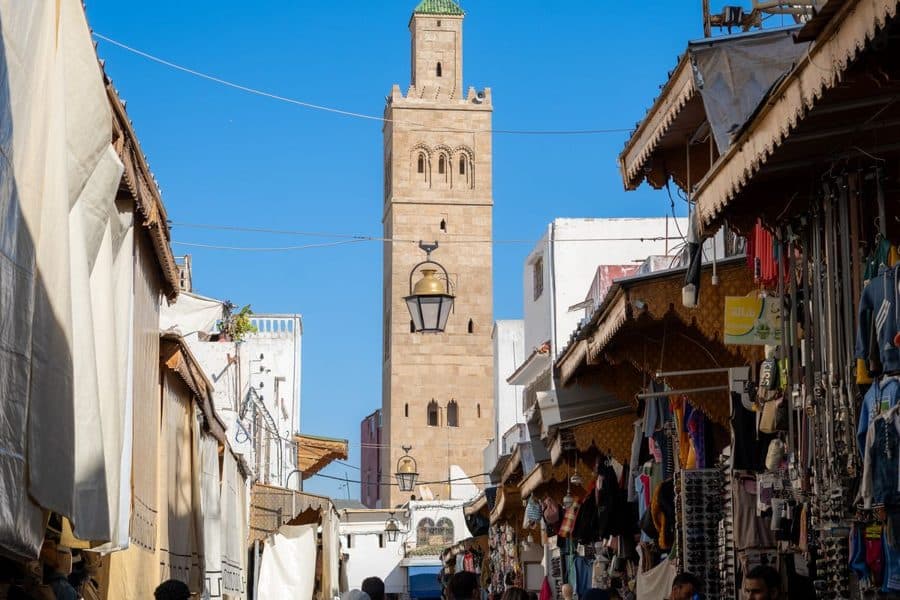
Marrakech's 16th-century Jewish quarter, one of the oldest and best-preserved mellahs in Morocco. At its heart is the Lazama Synagogue (1492) — still active, with a sky-blue courtyard and ornate ark. The surrounding streets hold some of the finest ironwork balconies and carved wooden mashrabiyas in the entire medina. Remarkably quiet for solo wandering.
📍Lazama Synagogue, Rue Talmud Torah, Mellah, Marrakech 40000
Mellah Market (Jewish Quarter)
Culture
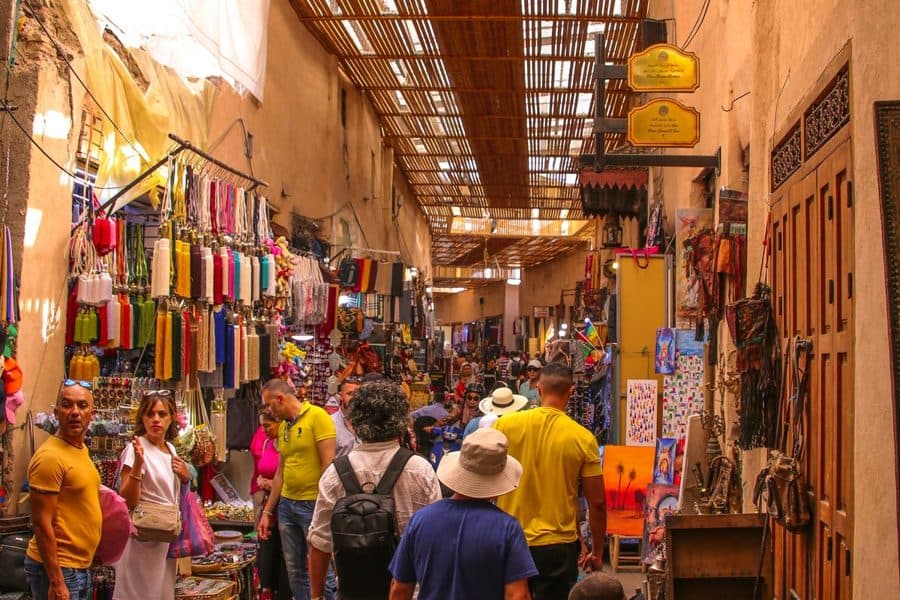
The historic Jewish quarter of Marrakech's medina, centred around a covered market famous for gold jewellery, colourful fabrics, ornate wedding outfits, and dried fruits. The covered market hall dates to the 19th century. A quieter, less touristy alternative to the main souks — wander the narrow alleys and discover local life at a gentler pace.
📍Mellah, Place des Ferblantiers, Medina, Marrakech 40000
Musée de Marrakech
Culture
A superb museum of Moroccan art, artefacts, and manuscripts inside the beautifully restored 19th-century Mnebhi Palace. The central courtyard — a stunning riad with an enormous hanging brass chandelier — is alone worth the entrance fee. Regular contemporary art exhibitions, photography shows, and cultural events throughout the year.
📍Place Ben Youssef, Medina, Marrakech 40000
Rahba Lakdima (Spice Square)
Culture
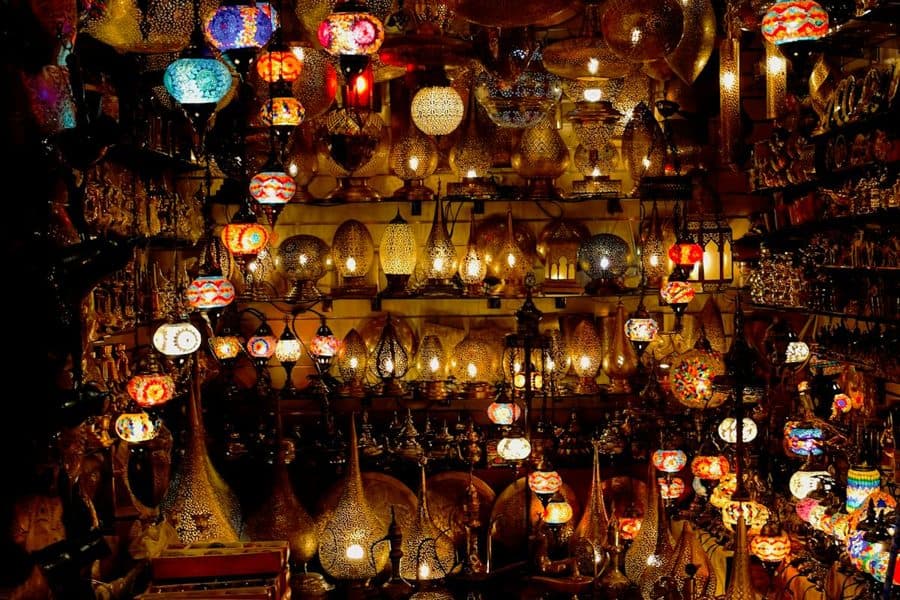
A small, ancient open square off Souk Semmarine overflowing with mountains of vivid spices, dried herbs, medicinal plants, and traditional apothecary items. Watch vendors weigh saffron, ras el hanout, and cumin on brass scales. The rooftop café above the square is the best vantage point over the entire souk district.
📍Rahba Lakdima, Medina, Marrakech 40000
Saadian Tombs
Culture
The royal mausoleums of the Saadian dynasty, built in the late 16th century and rediscovered in 1917. The Chamber of the Twelve Columns — with its breathtaking honeycomb plasterwork, Italian Carrara marble columns, and gilded cedar ceiling — is among the finest examples of Moroccan artisanship anywhere in the world.
📍Rue de la Kasbah, Kasbah, Marrakech 40000
Souk des Teinturiers (Dyers' Quarter)
Culture
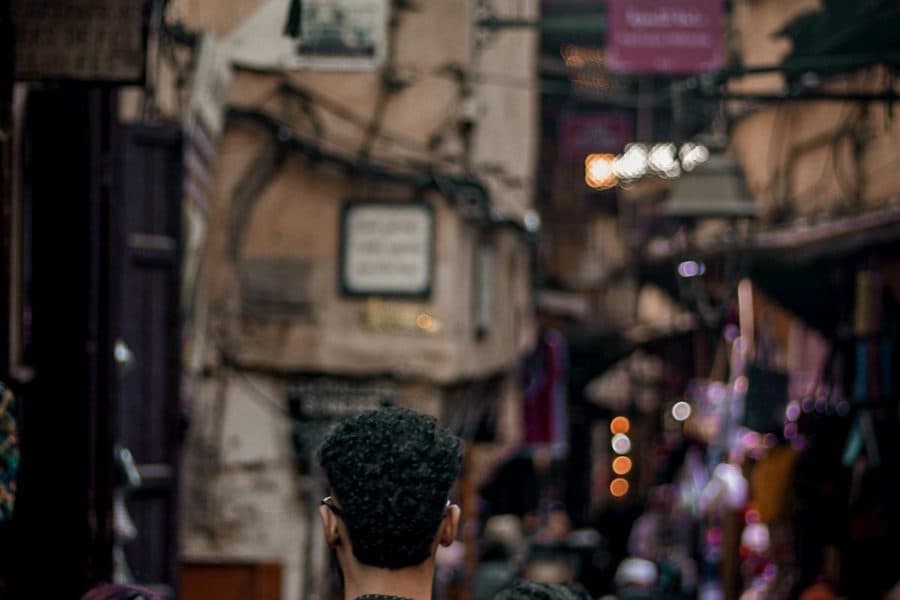
One of Marrakech's most visually arresting spots — workers dye wool in great vats of vivid colours: saffron yellow, indigo blue, poppy red. Skeins of freshly dyed yarn hang overhead to dry across the narrow alleyways. Come in the morning when the dyeing is most active. One of the most photographed corners of the medina.
📍Souk des Teinturiers, near Mouassine Fountain, Medina, Marrakech 40000
Souk Semmarine
Culture
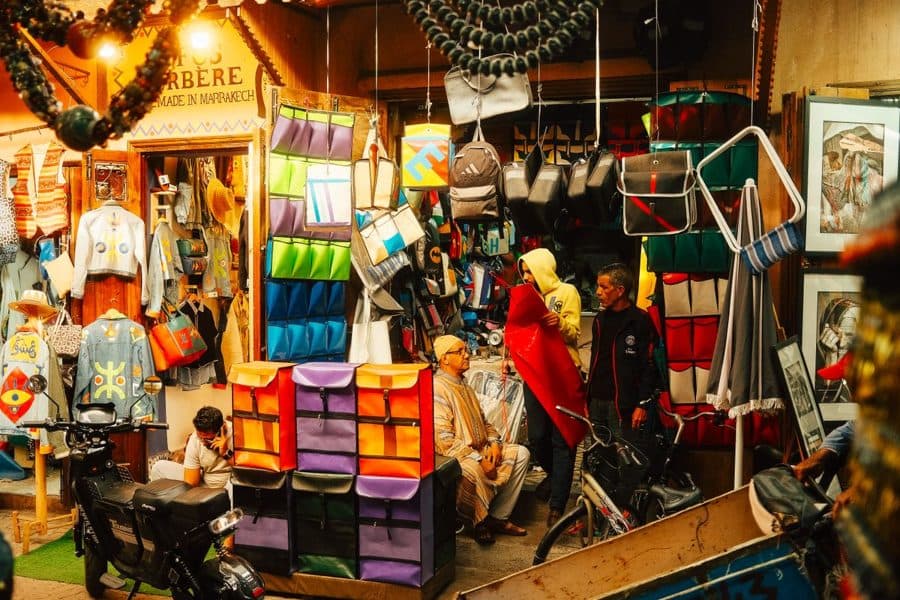
The grand artery of the Marrakech souks — a covered market street stretching north from Jemaa el-Fna under a reed-woven canopy. Lined with everything from hand-stitched leather babouches and hand-woven rugs to argan oil and saffron. The best place to start any souk exploration, leading deeper into the labyrinthine specialist souks beyond.
📍Souk Semmarine, Medina, Marrakech 40000
Tanneries Chouara Lookout
Culture
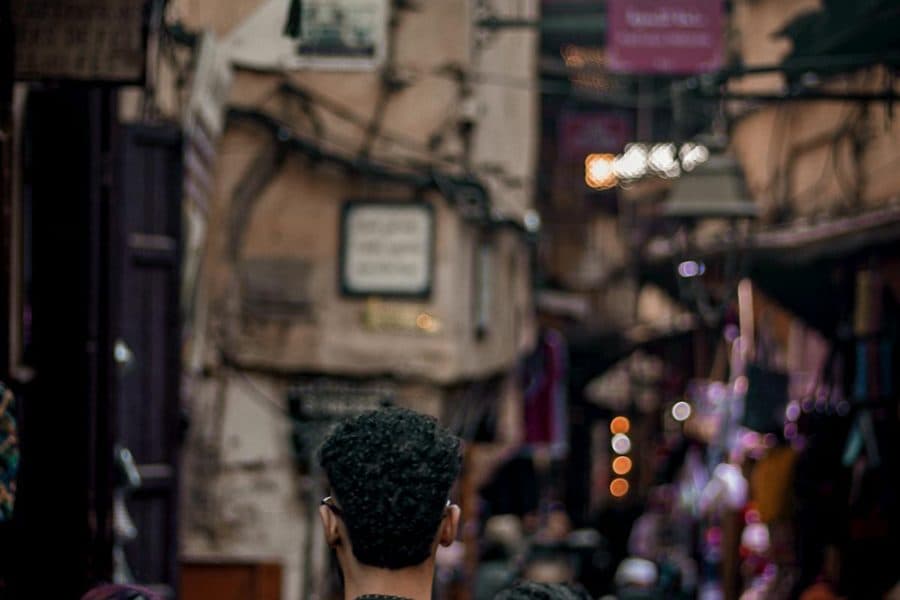
The ancient leather dyeing pits of Marrakech's medina — one of the most extraordinary working medieval crafts sites in the world. Leather hides are washed, scraped, and dyed in honeycombed stone vats of vivid colour. View from the rooftop terraces of surrounding leather shops, who will hand you a sprig of mint to mask the smell.
📍Derb Dbagh, Medina, Marrakech 40000