
🏛️ Culture in Seoul
 South Korea
About Seoul for Solo Travelers
A 24-hour megacity where eating alone has its own cultural term and restaurants have solo dining booths — Seoul's palaces, K-culture, street food, and world-class skincare shopping make it one of Asia's most complete solo destinations.
Solo Travel Tips· Solo Friendly
Seoul is one of Asia's great solo cities — the subway is exceptional, eating alone (혼밥 honbap) is a deeply established Korean cultural practice with restaurants that literally have solo booths, and the city's 24-hour culture means there's always something happening. The palaces (Gyeongbokgung at 9am before crowds), the Han River parks, and the Namsan tower hike are excellent solo experiences. The jjimjilbang (Korean spa/sauna) is a perfect solo social evening.
Safety Score
Hover icon for sources
Cost Level
Language
Korean
Currency
KRW
Solo Level
Great infrastructure, English-friendly, well-established solo traveler culture.
📋 Resources for your trip
Where to stay in Seoul
Hotels & stays on Booking.com
Travel Insurance
SafetyWing & World Nomads
eSIM for this trip
Stay connected from $5
Solo-friendly tours
Group tours on GetYourGuide
Some of these are affiliate links — we may earn a commission if you book, at no extra cost to you.
Best Culture in Seoul for Solo Travelers
Showing 9 spots in Culture
Bukchon Hanok Village
Culture
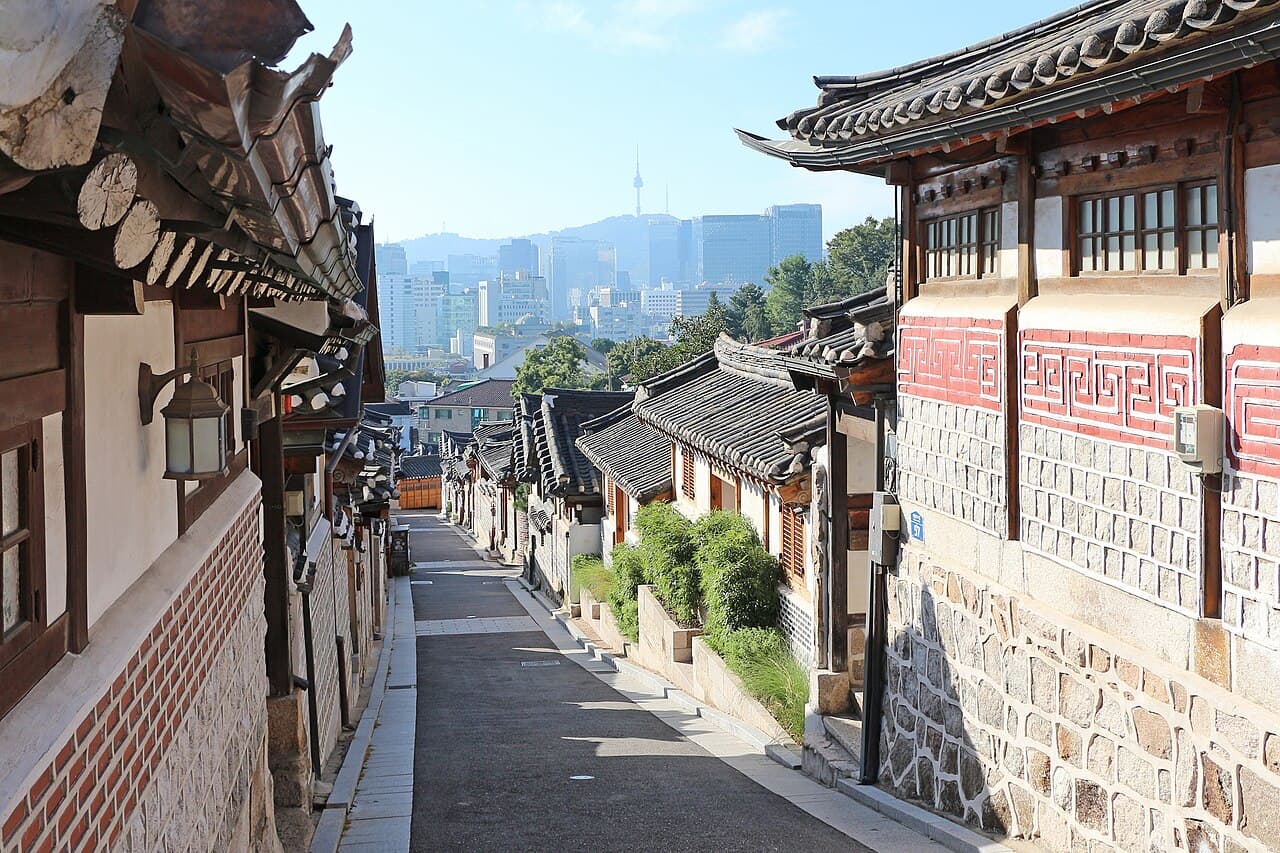
A hillside neighbourhood of preserved hanok homes between Gyeongbokgung and Changdeokgung palaces, with sloping lanes and rooftop views over old Seoul. People still live here: since March 2025 tourists may only enter the core 'Red Zone' around Bukchon-ro 11-gil between 10am and 5pm, with fines outside those hours. Go in the morning, keep your voice down, and enjoy a lovely solo wander.
📍37 Gyedong-gil, Jongno-gu, Seoul, South Korea
Changdeokgung & Secret Garden
Culture
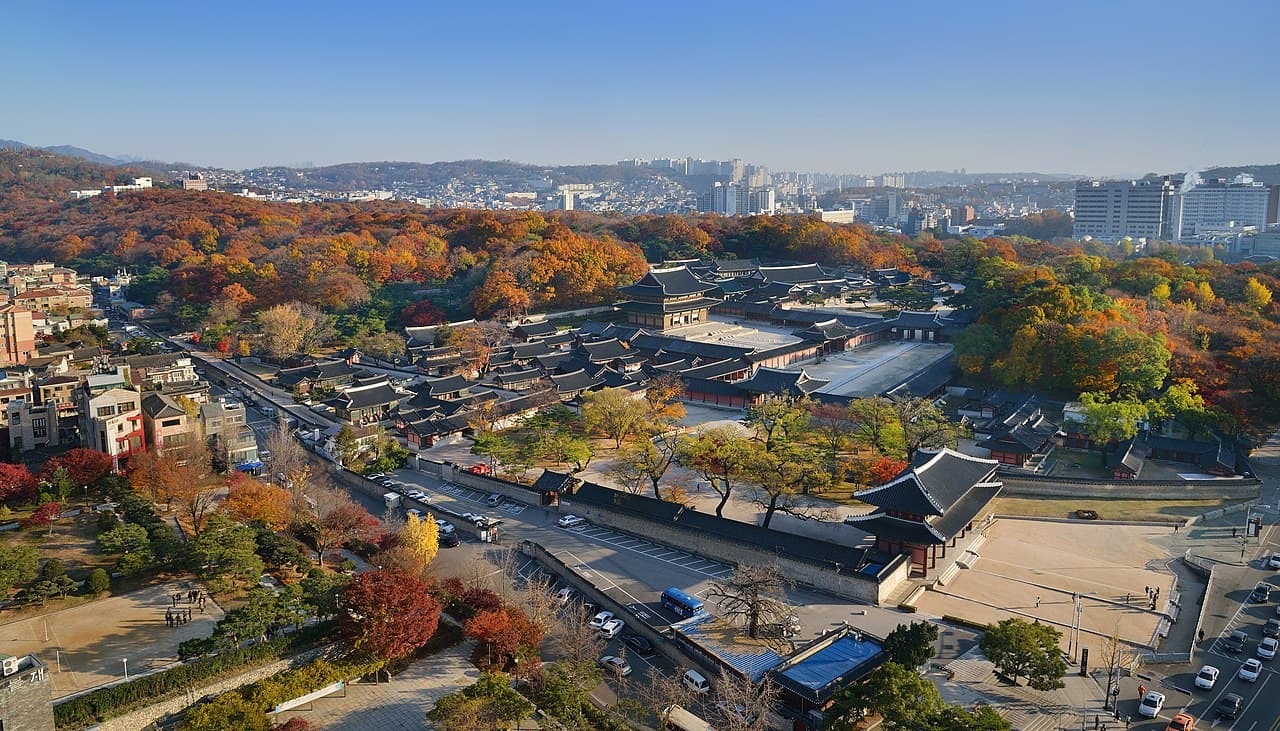
A UNESCO World Heritage Site and often called the loveliest of Seoul's Joseon palaces, laid out to follow the hills rather than a strict grid. Its rear Secret Garden (Huwon), with pavilions and ponds, can only be seen on timed guided tours — some in English — and online tickets open six days ahead and sell out, so book early. The palace is closed on Mondays.
📍99 Yulgok-ro, Jongno-gu, Seoul, South Korea
Deoksugung Palace
Culture
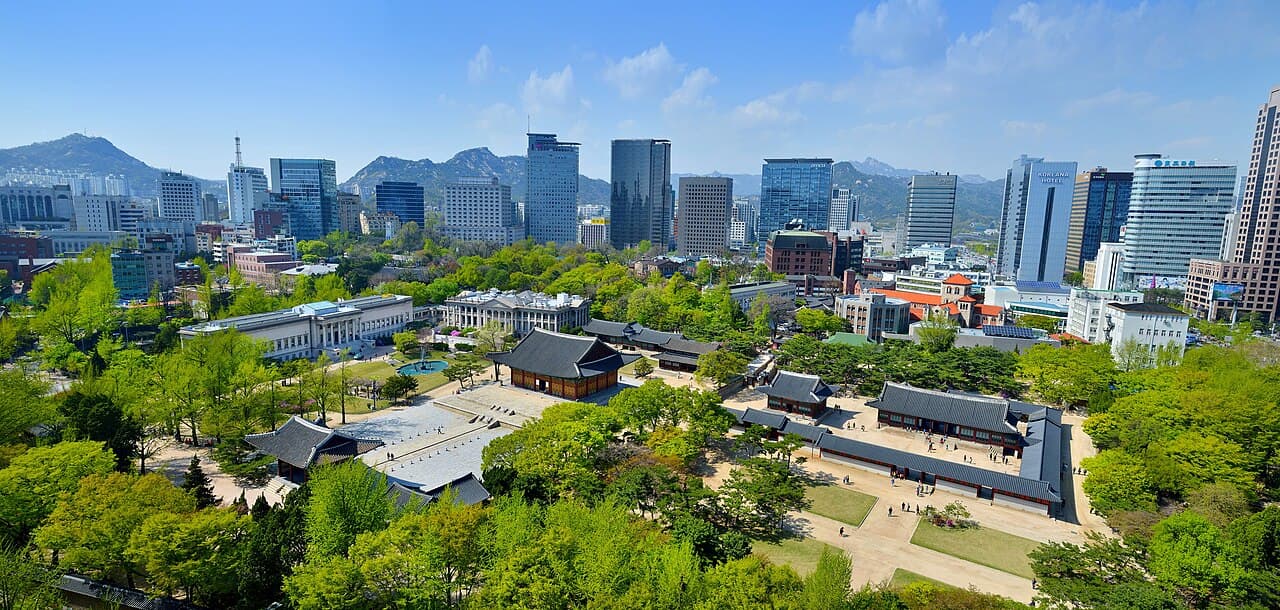
A compact palace opposite Seoul Plaza that mixes traditional wooden halls with Western-style stone buildings — it was the main palace of the Korean Empire (1897–1910). Seokjojeon, the neoclassical hall, now houses the Daehan Empire History Museum. Afterwards, walk the tree-lined Deoksugung stone-wall road, one of Seoul's prettiest streets, especially in autumn.
📍99 Sejong-daero, Jung-gu, Seoul, South Korea
Dongdaemun Design Plaza
Culture
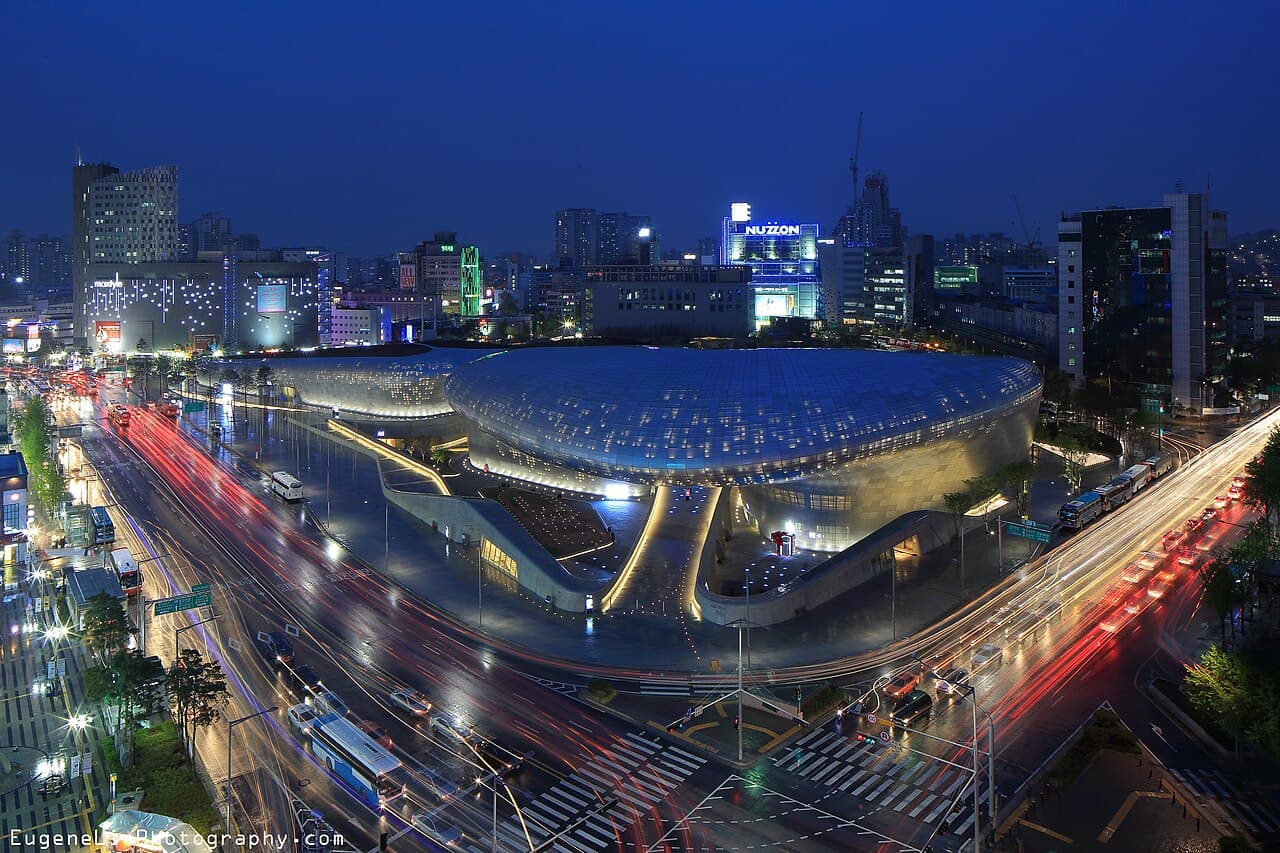
Zaha Hadid's curving landmark, opened in 2014 and clad in about 45,000 aluminium panels, housing exhibition halls, a design museum and shops. It sits in the Dongdaemun fashion district, whose wholesale malls trade late into the night, so it makes a good evening stop — the plaza is lit up after dark and it's easy and comfortable to wander around alone.
📍281 Eulji-ro, Jung-gu, Seoul, South Korea
Gyeongbokgung Palace
Culture
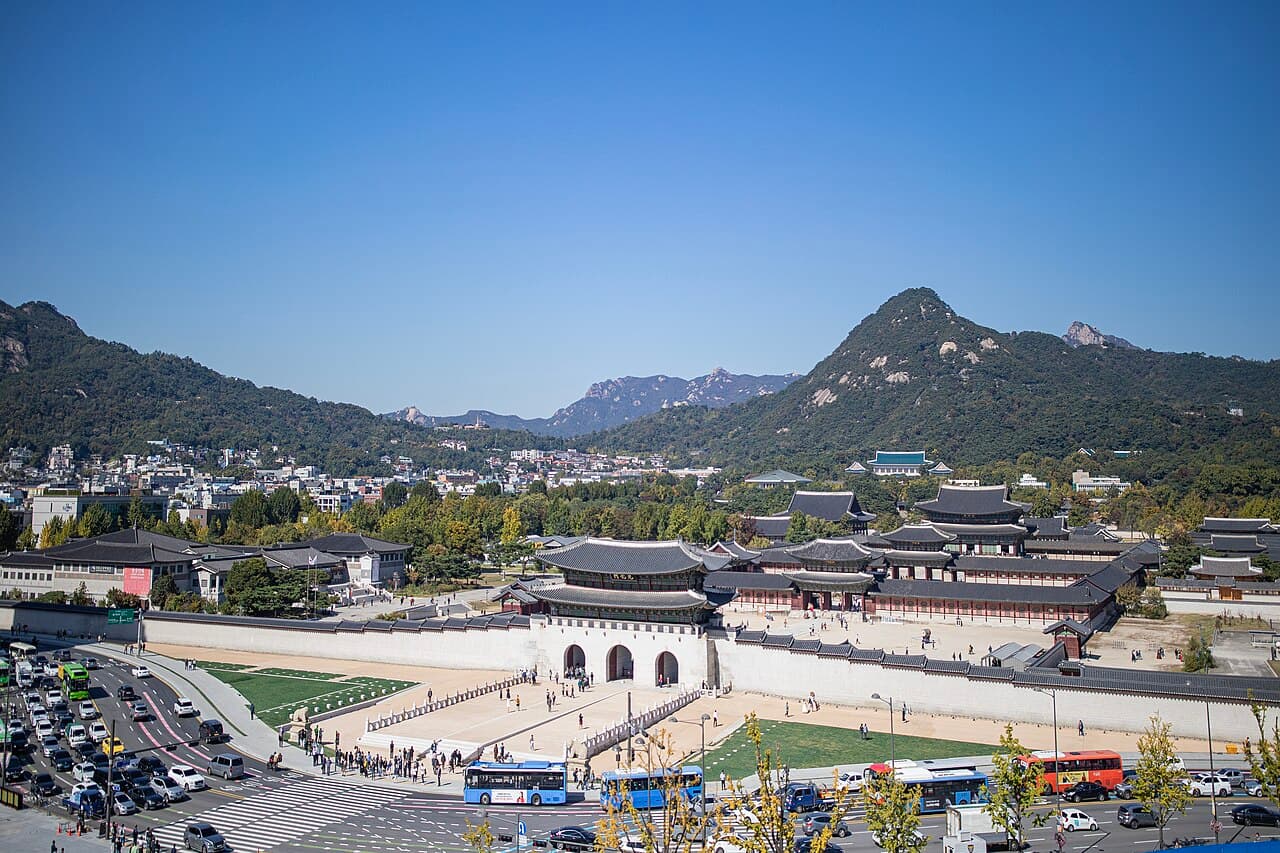
Seoul's grandest palace, built in 1395 by King Taejo, founder of the Joseon dynasty, beneath Bugaksan mountain. Don't miss Gyeonghoeru, the two-storey banquet pavilion floating on a lotus pond, or the royal guard changing ceremony at Gwanghwamun Gate at 10am and 2pm. Entry is free if you're wearing hanbok, and the palace is closed on Tuesdays.
📍161 Sajik-ro, Jongno-gu, Seoul, South Korea
Jogyesa Temple
Culture
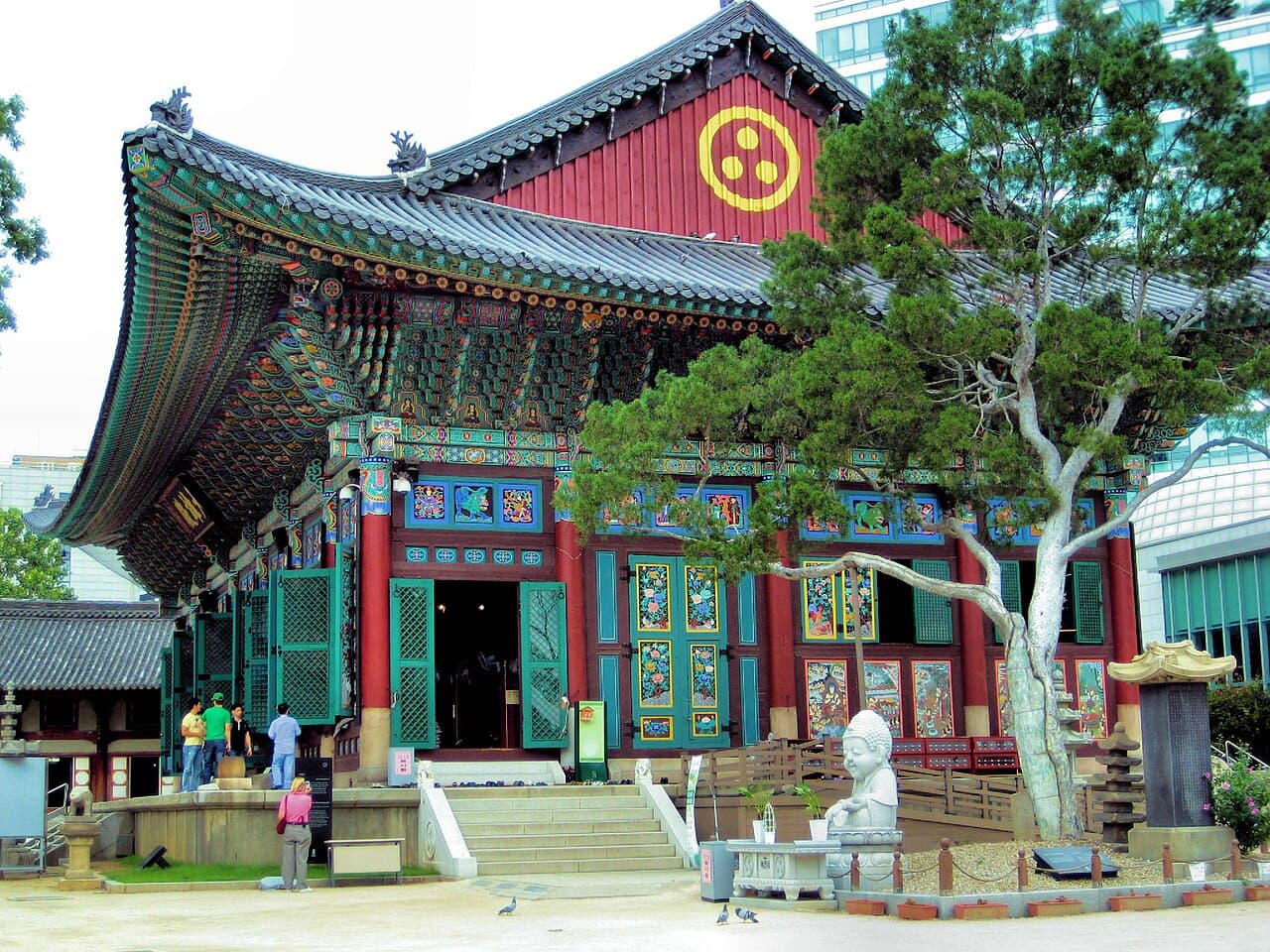
The chief temple and headquarters of the Jogye Order, Korea's largest Buddhist order, right in downtown Seoul next to Insadong. It's free to enter, and around Buddha's Birthday the courtyard is canopied with thousands of lanterns. Jogyesa also runs short Templestay programmes aimed at foreign visitors that don't require an overnight stay — a calm counterpoint to a busy day.
📍55 Ujeongguk-ro, Jongno-gu, Seoul, South Korea

National Museum of Korea
Culture
Korea's national museum, a vast building in Yongsan facing the Han River with Namsan behind it. The permanent galleries are free and run from prehistoric tools and Silla gold crowns to Buddhist sculpture. The showstopper is the Gyeongcheonsa ten-storey marble pagoda, displayed indoors since 2005. An underground walkway links the museum to Ichon Station.
📍137 Seobinggo-ro, Yongsan-gu, Seoul, South Korea
N Seoul Tower (Namsan)
Culture
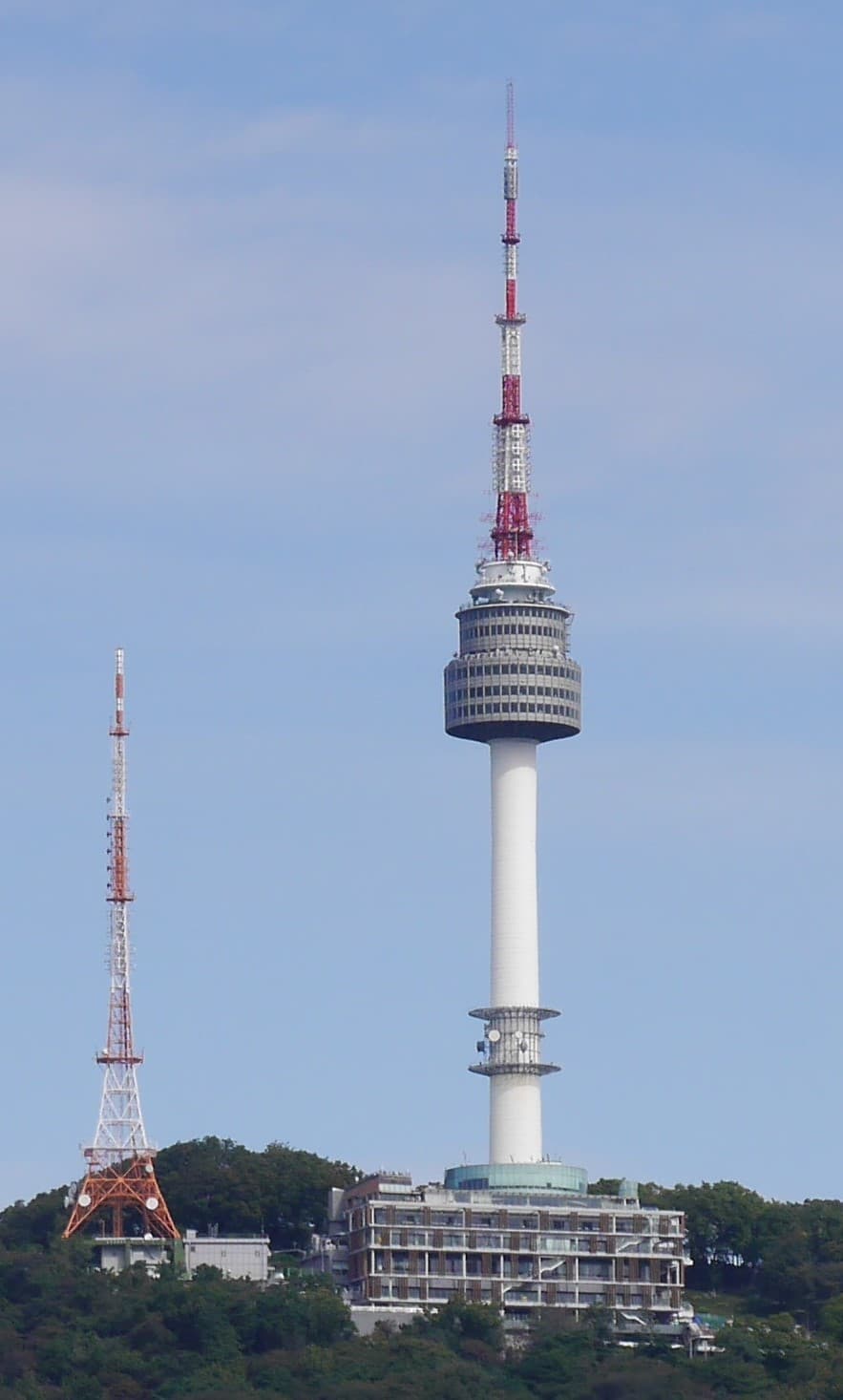
The broadcast tower on top of Namsan, with observation decks close to 480m above sea level for 360-degree views over the city. Reach it on foot through Namsan Park or by the Namsan cable car, then find the love-lock terraces at the base. It's most rewarding at dusk, when you can watch the whole city switch on its lights below you.
📍105 Namsangongwon-gil, Yongsan-gu, Seoul, South Korea

War Memorial of Korea
Culture
Opened in 1994 on the former army headquarters site, this large museum tells Korea's military history with a focus on the Korean War. The permanent exhibitions are free, and the outdoor grounds hold tanks, artillery, aircraft and a ship you can board. Allow two to three hours. It's closed on Mondays and a short walk from Samgakji Station.
📍29 Itaewon-ro, Yongsan-gu, Seoul, South Korea