
🏛️ Culture in Gyeongju
 South Korea
About Gyeongju for Solo Travelers
The Silla kingdom's ancient capital where grass-covered royal burial mounds rise from city parks and a UNESCO temple complex stands unchanged since the 7th century — Korean history distilled into one walkable solo city.
Solo Travel Tips· Solo Friendly
Gyeongju is South Korea's most historically rich city — the entire city is essentially an open-air museum with royal Silla burial mounds scattered through the city centre, and Bulguksa temple (UNESCO) is extraordinary. Rent a bicycle to explore the royal tumuli park and Anapji pond independently. Very manageable as a solo day trip from Busan or Daegu. Very few international tourists compared to Seoul or Jeju.
Safety Score
Hover icon for sources
Cost Level
Language
Korean
Currency
KRW
Solo Level
Great infrastructure, English-friendly, well-established solo traveler culture.
📋 Resources for your trip
Where to stay in Gyeongju
Hotels & stays on Booking.com
Travel Insurance
SafetyWing & World Nomads
eSIM for this trip
Stay connected from $5
Solo-friendly tours
Group tours on GetYourGuide
Some of these are affiliate links — we may earn a commission if you book, at no extra cost to you.
Best Culture in Gyeongju for Solo Travelers
Showing 9 spots in Culture

Bulguksa Temple
Culture
Korea's most celebrated temple, largely built in the 8th century under the Silla kingdom and a UNESCO World Heritage Site together with nearby Seokguram. Stone stairways and bridges lead up to the halls, and the main courtyard holds two famous pagodas, Dabotap and Seokgatap. Arrive early to beat the tour groups, then continue up to Seokguram.
📍Jinhyeon-dong, Gyeongju, Gyeongsangbuk-do, South Korea
Bunhwangsa Temple
Culture
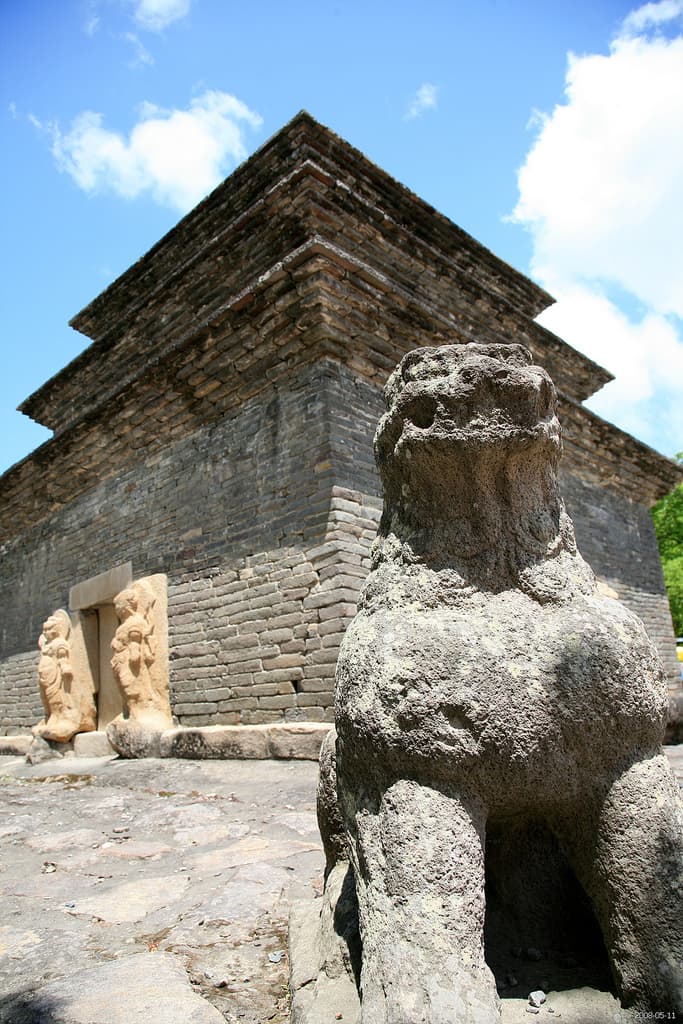
A temple founded in 634 under Queen Seondeok, now small and peaceful, and home to the oldest datable Silla stone pagoda — built from stone cut to look like bricks, with guardian figures at its doors. Only three of its storeys survive. It's an easy walk or bike ride from the old town, beside the vast open site of the lost Hwangnyongsa temple.
📍Guhwang-dong, Gyeongju, Gyeongsangbuk-do, South Korea

Cheomseongdae Observatory
Culture
A 9m-tall stone tower built in the 7th century during Queen Seondeok's reign, believed to be the oldest surviving astronomical observatory in East Asia. It stands in open fields near Daereungwon, where flowers bloom in season, and it's beautifully lit at night. It's free and an easy stop on a walk around the old town.
📍Inwang-dong, Gyeongju, Gyeongsangbuk-do, South Korea
Daereungwon Tumuli Park
Culture
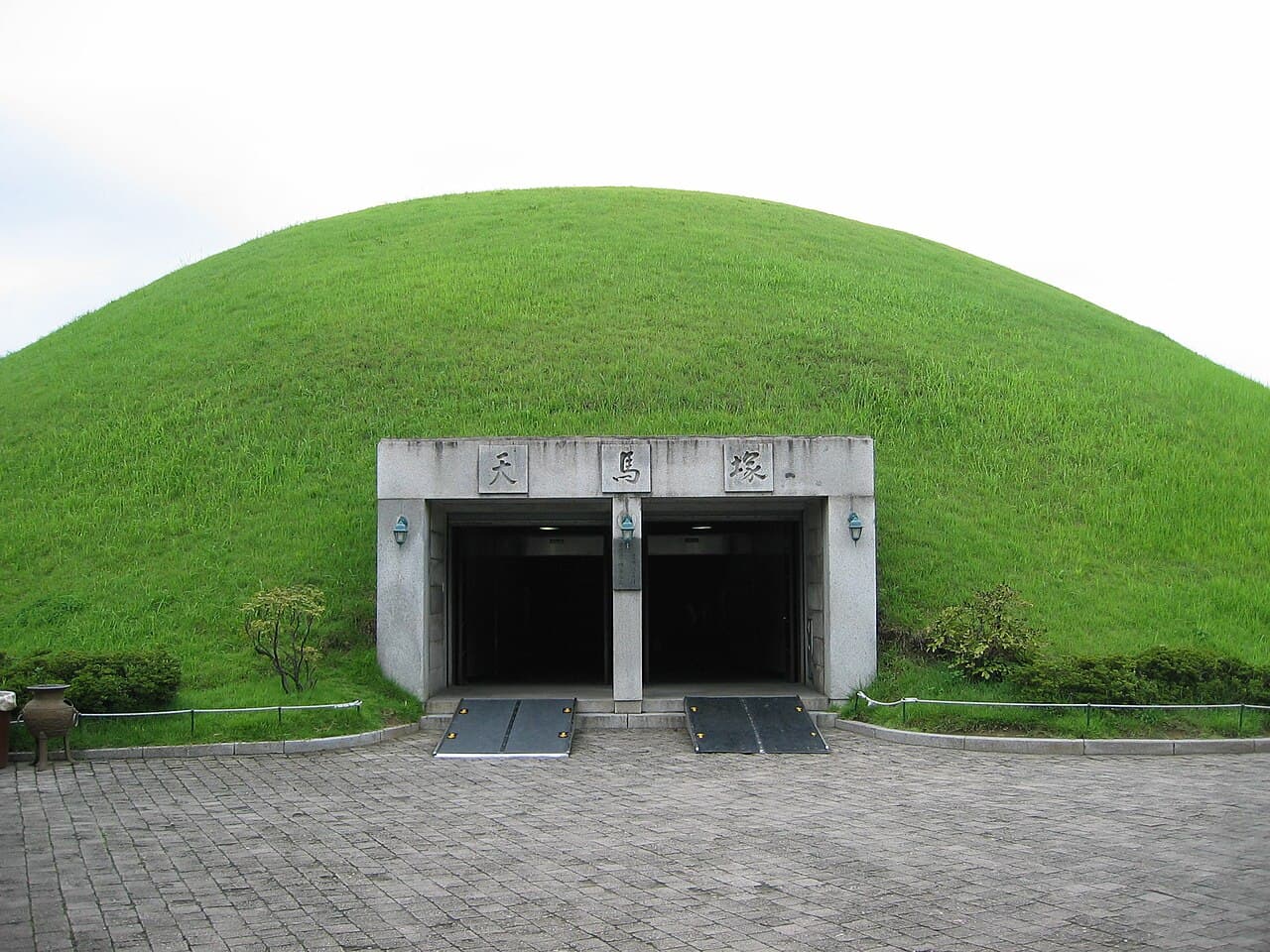
A park of 23 grassy royal tombs from the Silla kingdom in the middle of Gyeongju. You can go inside Cheonmachong, the 'Heavenly Horse Tomb', excavated in 1973, where a painted saddle flap and a replica gold crown are displayed. The paths winding between the mounds are especially pretty in spring. There's a small entry fee.
📍Hwangnam-dong, Gyeongju, Gyeongsangbuk-do, South Korea

Donggung Palace & Wolji Pond
Culture
The site of a Silla crown prince's palace and its pond, built in 674, with three reconstructed pavilions reflected in the water. After dark the halls are lit up, and their reflection on the pond is Gyeongju's most famous night view. Go around sunset and stay into the evening; it gets busy, but the pond is big enough to find a quiet spot.
📍Inwang-dong, Gyeongju, Gyeongsangbuk-do, South Korea

Gyeongju National Museum
Culture
Home to the finest collection of Silla artefacts, including gold crowns from the royal tombs and the 8th-century Divine Bell of King Seongdeok (the Emille Bell), one of Korea's largest bronze bells. Admission is free. It's within walking distance of Donggung Palace and Wolji Pond, so the two combine well in an afternoon.
📍186 Iljeong-ro, Gyeongju, Gyeongsangbuk-do, South Korea

Seokguram Grotto
Culture
An 8th-century artificial stone grotto high on Tohamsan above Bulguksa, sheltering a serene granite Buddha that faces east toward the sea. It's a UNESCO World Heritage Site with Bulguksa, and the Buddha is viewed through a glass screen that protects it. Take the bus up from Bulguksa or hike the forest trail, about an hour.
📍Jinhyeon-dong, Gyeongju, Gyeongsangbuk-do, South Korea

Woljeonggyo Bridge
Culture
A covered wooden bridge over the Namcheon stream, reconstructed and completed in 2018 based on records of an 8th-century Silla bridge. Its painted roof and gate towers are lit up at night and reflected in the water. It's free to walk across, and a short stroll from Gyochon Hanok Village and the cafés of Hwangridan-gil.
📍Gyo-dong, Gyeongju, Gyeongsangbuk-do, South Korea

Yangdong Folk Village
Culture
A UNESCO-listed Joseon-era clan village about 30–40 minutes north of central Gyeongju, where around 150 traditional houses, tiled and thatched, sit among hills and rice fields. It's a living village, so keep to the paths and respect residents' privacy. Allow a couple of hours to wander, and bring cash for snacks at small stalls.
📍Gangdong-myeon, Gyeongju, Gyeongsangbuk-do, South Korea