
🏛️ Culture in Rishikesh
 India
India
About Rishikesh for Solo Travelers
The world's yoga capital at the foot of the Himalayas — solo travelers study with genuine masters, raft the Ganges, and find Rishikesh the most socially welcoming and spiritually open city in India.
Solo Travel Tips· Solo Friendly
Rishikesh is the yoga capital of the world and one of India's most solo-friendly destinations — the ashram culture means solo travelers are the norm, the Laxman and Ram Jhula suspension bridges connect the two banks socially, and the white-water rafting groups solo travelers naturally. The cafés along the ghats are excellent solo sitting spots. Very safe for solo women by Indian standards. The evening Ganga Aarti here is beautiful and less overwhelming than Varanasi.
Safety Score
Hover icon for sources
Cost Level
Language
Hindi
Currency
INR
Solo Level
Great infrastructure, English-friendly, well-established solo traveler culture.
📋 Resources for your trip
Where to stay in Rishikesh
Hotels & stays on Booking.com
Travel Insurance
SafetyWing & World Nomads
eSIM for this trip
Stay connected from $5
Solo-friendly tours
Group tours on GetYourGuide
Some of these are affiliate links — we may earn a commission if you book, at no extra cost to you.
Best Culture in Rishikesh for Solo Travelers
Showing 6 spots in Culture
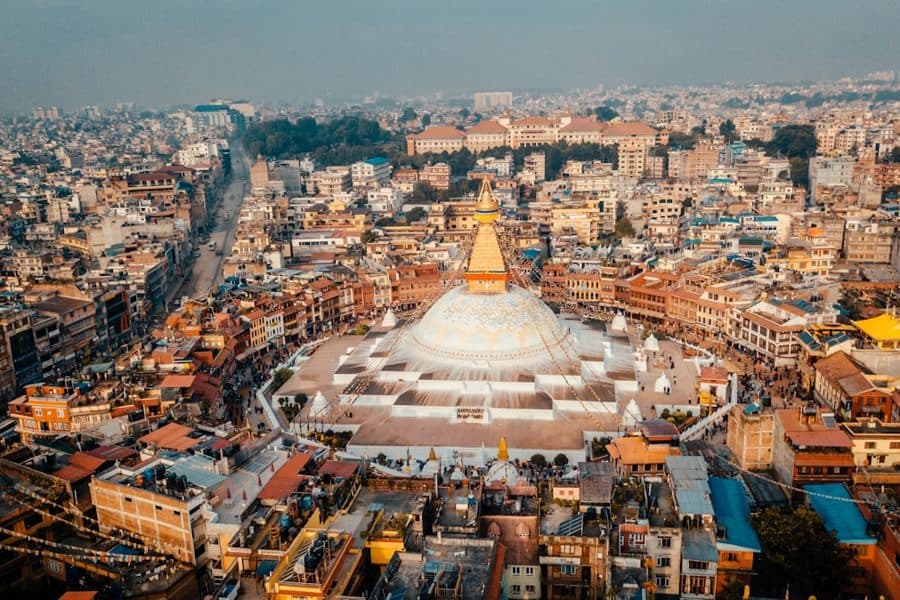
Beatles Ashram (Chaurasi Kutia)
Culture
Officially Chaurasi Kutia, the former ashram of Maharishi Mahesh Yogi, where the Beatles stayed in 1968 to study Transcendental Meditation. It now sits inside the Rajaji Tiger Reserve and is run by the forest department; its crumbling meditation domes and halls are covered in murals. There's an entry fee (much higher for foreigners) and it closes before sunset, so go in the morning.
📍Chaurasi Kutia, Swarg Ashram, Rishikesh, Uttarakhand 249304, India
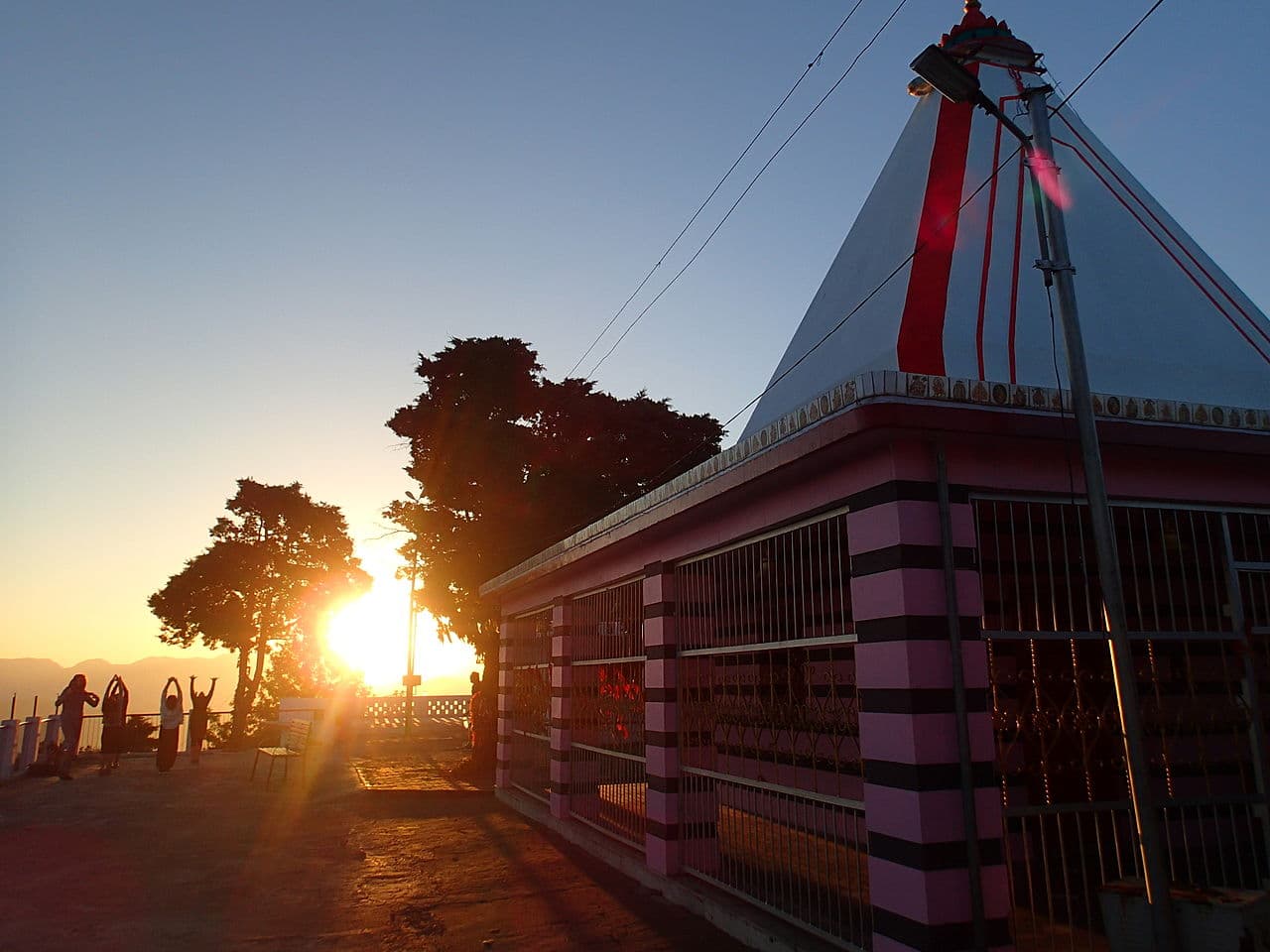
Kunjapuri Devi Temple
Culture
A hilltop Shakti Peeth temple at about 1,676m, roughly 25km — a 45-minute drive — from Tapovan. Most visitors leave Rishikesh around 4:30am and climb the final flight of steps for sunrise, when the snow peaks of the Garhwal Himalaya appear to the north above the Doon valley. Arrange a taxi the night before or join one of the many sunrise trips.
📍Kunjapuri, Tehri Garhwal, Uttarakhand, India
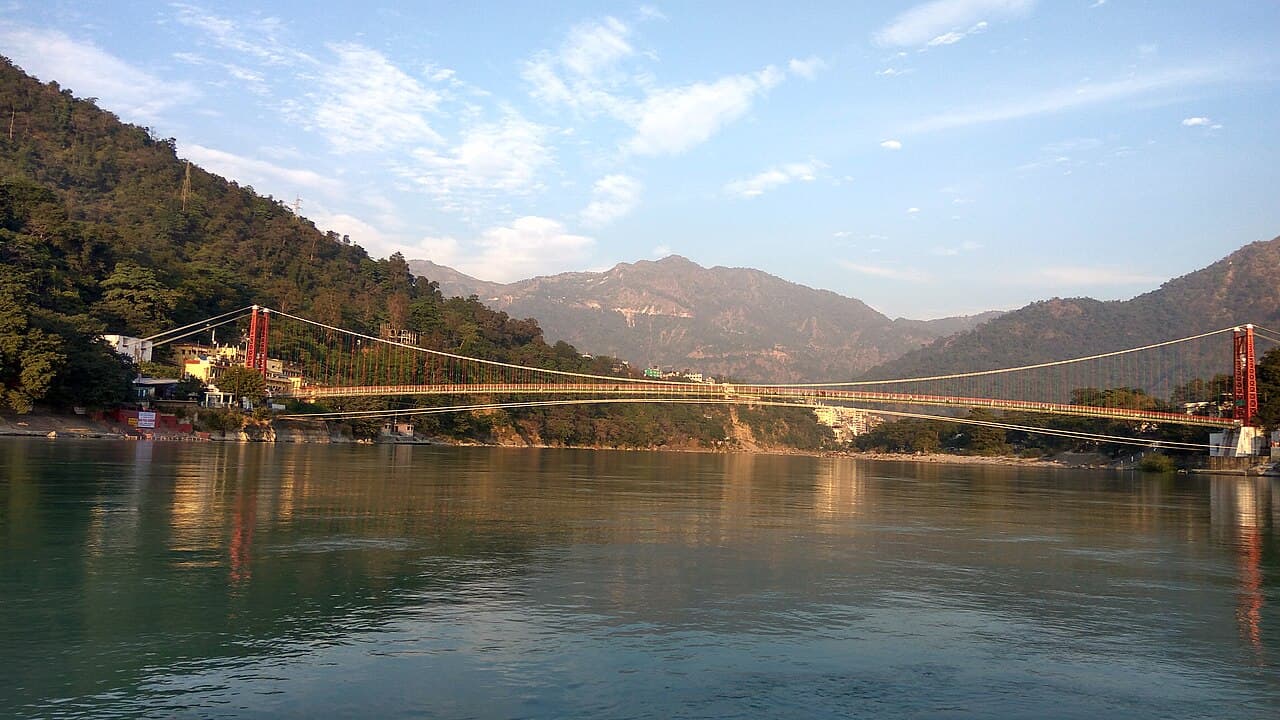
Lakshman Jhula
Culture
The iron suspension bridge that became the symbol of Rishikesh, built in 1929 where Lakshman is said to have crossed the Ganges on a jute rope. It was declared unsafe and closed to the public in 2022, and a new glass-floored bridge, Bajrang Setu, has been built at the same crossing — check locally whether it's open. The temples, cafés and market around it are as busy as ever.
📍Laxman Jhula, Rishikesh, Uttarakhand 249302, India
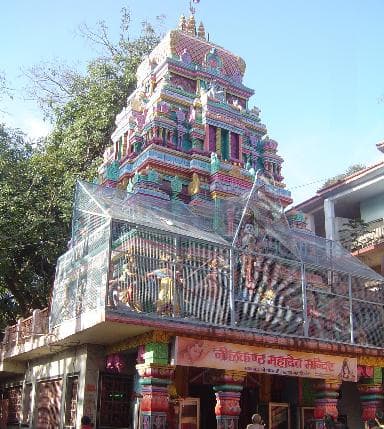
Neelkanth Mahadev Temple
Culture
A major Shiva temple in the forested hills across the Ganges, where Shiva is said to have drunk the poison churned from the ocean. It's about 32km by road via the barrage (or 22km via Ram Jhula), taking 1.5–2 hours, and some people trek up through the forest instead. It gets extremely crowded during the Kanwar Yatra in July–August, so go outside that period.
📍Neelkanth, Pauri Garhwal, Uttarakhand 249304, India
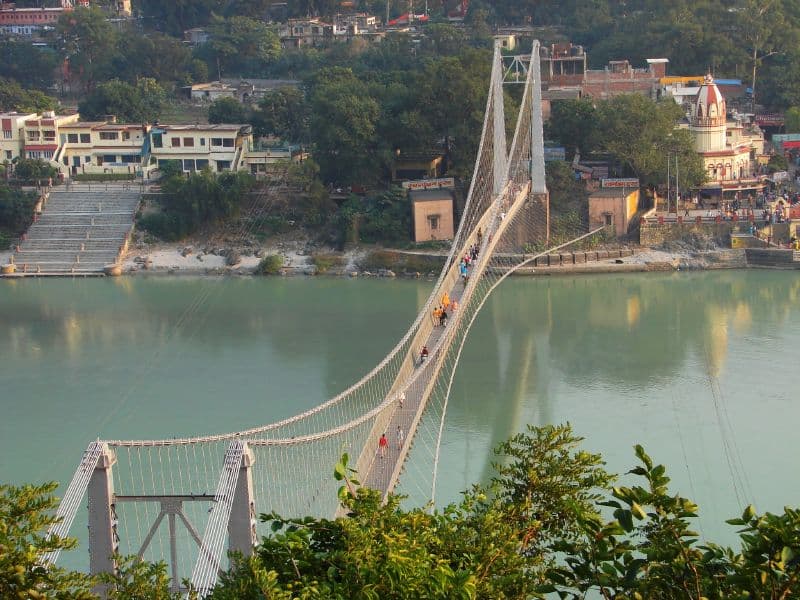
Ram Jhula
Culture
A pedestrian suspension bridge built in 1986, linking Muni Ki Reti on the west bank with the ashrams of Swarg Ashram on the east. With Lakshman Jhula closed, it's one of the town's main river crossings, busy with pilgrims, scooters and the occasional cow. Stop halfway across for views up and down the Ganges, especially in the late afternoon light.
📍Ram Jhula, Rishikesh, Uttarakhand 249304, India
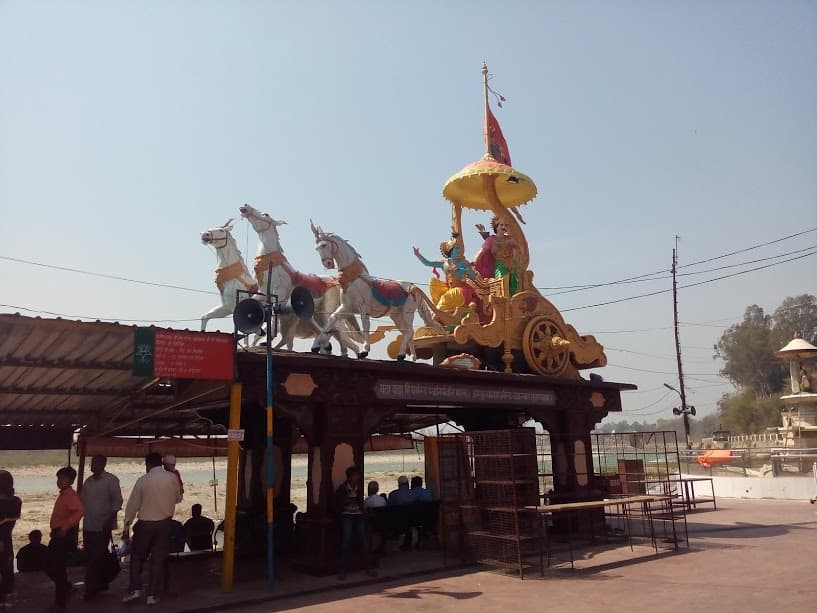
Triveni Ghat
Culture
Rishikesh's largest bathing ghat, in the old town, where the Ganges is said to meet two other sacred rivers. At dusk, the Ganga Aarti here is louder and more energetic than Parmarth's, with drums, conch shells, big brass lamps and crowds floating leaf-boat diyas on the river. It starts around 5:30–6pm depending on the season, and entry is free.
📍Triveni Ghat, Rishikesh, Uttarakhand 249201, India